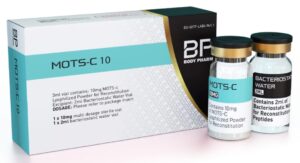
MOTS-c (10mg) is a mitochondrial-derived peptide that acts as an exercise mimetic to boost metabolism, improve insulin sensitivity, and enhance fat burning. It helps reverse age-related metabolic decline by targeting skeletal muscle to optimize glucose uptake and reduce inflammation. It is primarily used to increase energy, enhance athletic performance, and support weight management.
Innerbody +6
Key Benefits of MOTS-C (10mg):
Enhanced Metabolic Flexibility: It activates the AMPK pathway, improving insulin sensitivity, enhancing glucose homeostasis, and facilitating fatty acid metabolism in the liver.
Weight Management & Fat Loss: Studies indicate it can prevent age-related and diet-induced weight gain by regulating metabolic homeostasis.
Improved Physical Performance: Known as an “exercise mimetic,” it increases endurance, reduces fatigue, and boosts overall workout output by improving mitochondrial function.
Anti-Aging and Cellular Protection: MOTS-c protects cells from stress, promotes bone density, and regulates metabolic function, which tends to decline with age.
Reduced Inflammation: It has been shown to reduce inflammation and may help with age-related illnesses
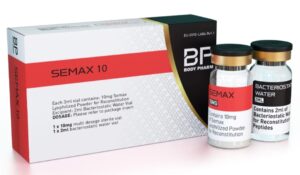
BodyPharm Semax 10mg – Premium Nootropic Peptide for Cognitive Performance, Memory & Neuroprotective Research
Discover cutting-edge neuroscience with the BodyPharm Semax 10mg Vial, a premium research-grade peptide supplied in a lyophilized (freeze-dried) format together with a vial of bacteriostatic water. This presentation ensures excellent long-term stability while allowing the peptide to remain protected until it is prepared for use.
Semax is a synthetic peptide originally developed from a fragment of Adrenocorticotropic Hormone (ACTH 4-10). Unlike ACTH itself, Semax does not possess hormonal activity and has instead become one of the most extensively researched nootropic and neuroprotective peptides due to its potential influence on cognitive performance, memory formation, learning, attention, and neuronal health.
Researchers continue to investigate Semax for its interaction with Brain-Derived Neurotrophic Factor (BDNF), Nerve Growth Factor (NGF), dopamine signalling, and other neurotransmitter pathways involved in learning, mental performance, and neuroplasticity. Because of these diverse mechanisms, Semax has become an important research peptide in neuroscience, cognitive enhancement, and healthy brain ageing.

TB-500 is a synthetic peptide studied for its potential to accelerate injury recovery, decrease inflammation, and improve tissue repair. Known for promoting angiogenesis (new blood vessel growth) and cell migration, it is researched for treating muscle, tendon, and ligament injuries.
Women’s Health and Cosmetic Services of Maryland
Key Potential Benefits
Accelerated Injury Healing: Research suggests it may speed up recovery from injuries such as ligament strains, tendonitis, and muscle tears.
Reduced Inflammation: It is studied for its ability to lower inflammation at injury sites and joint discomfort.
Tissue Regeneration: It promotes tissue remodeling, wound healing, and increases the tensile strength of injured tissues.
Increased Flexibility: It is reported to help improve flexibility and range of motion, particularly in damaged joints.
Cardiovascular & Neural Support: Research suggests potential for repairing heart tissue after injury and reducing neuroinflammation.
Potential Synergies: It is often studied alongside other peptides like BPC-157 for comprehensive healing
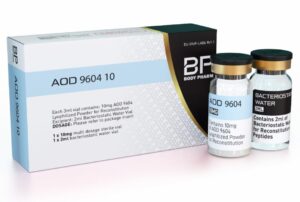
AOD-9604 is a modified peptide fragment of human growth hormone (designed to target obesity by stimulating lipolysis (fat breakdown) and inhibiting lipogenesis (fat storage). It aids in reducing abdominal fat, enhancing metabolism, and potentially repairing cartilage, often without the negative side effects of full , such as high blood sugar or tissue growth.
Journal of Endocrinology and Metabolism +4
Key Benefits of AOD-9604:
Targeted Fat Loss: Specifically burns adipose tissue, particularly in the abdomen, and inhibits the formulation of new fat.
Enhanced Metabolism: Boosts fat oxidation and metabolic rate.
Joint and Tissue Repair: Shows potential in treating osteoarthritis by promoting cartilage repair and supporting joint health.
Weight Loss Efficacy: Studies have shown it can lead to meaningful weight loss.
Safety Profile: Generally well-tolerated with few side effects (minimal impact on insulin or blood sugar)

BodyPharm Selank 10mg – Premium Nootropic Peptide for Cognitive Performance, Stress Resilience & Neurochemical Research
Discover advanced cognitive and neurobiological science with the BodyPharm Selank 10mg Vial, a premium research-grade peptide supplied in a lyophilized (freeze-dried) format together with a vial of bacteriostatic water. This presentation provides excellent long-term stability while allowing the peptide to remain protected until it is prepared for use.
Selank is a synthetic heptapeptide developed from the naturally occurring immunomodulatory peptide tuftsin. It has become one of the most extensively studied nootropic peptides due to its potential influence on cognitive performance, stress regulation, memory formation, learning, and neurochemical balance.
Unlike conventional stimulants that temporarily increase alertness, Selank is investigated for its ability to support cognitive function by modulating neurotransmitter systems involved in emotional regulation and information processing. Researchers continue to study its effects on GABAergic signalling, serotonin metabolism, dopamine pathways, and brain-derived neurotrophic factor (BDNF), making it a valuable compound in neuroscience and cognitive performance research.
Why Researchers Study Selank
Selank has become one of the leading peptides in nootropic research because of its unique ability to influence cognitive performance while supporting healthy emotional regulation and neurological function.
Cognitive Performance & Mental Clarity
One of the primary reasons researchers study Selank is its potential role in enhancing cognitive performance without the overstimulation associated with many traditional nootropics.
Researchers continue investigating how Selank may support:
Mental clarity
Sustained focus and concentration
Information processing
Decision-making performance
Cognitive efficiency during periods of mental demand
These mechanisms have made Selank an important peptide in cognitive enhancement research.
Memory Formation & Learning
Selank is widely studied for its potential influence on memory and learning pathways.
Scientists continue exploring how modulation of neurotransmitter activity may contribute to:
Improved memory formation
Enhanced memory retention
Learning efficiency
Neural plasticity
Cognitive adaptability
These areas remain central to research involving education, ageing, and neurological performance.
Stress Resilience & Emotional Regulation
One of Selank’s most recognised characteristics is its potential interaction with the brain’s GABAergic system, which plays a major role in regulating stress and emotional balance.
Researchers investigate how Selank may support:
Healthy stress responses
Emotional resilience
Calmness without sedation
Anxiety-related signalling pathways
Mental wellbeing under cognitive stress
This unique profile has made Selank one of the most studied peptides in behavioural neuroscience.
Neurotransmitter Balance
Research also explores Selank’s influence on multiple neurotransmitter systems, including:
GABA
Serotonin
Dopamine
Noradrenaline
Maintaining healthy neurochemical balance may contribute to improved cognitive performance, mood regulation, and neurological function.
Brain Health & Neuroprotection
Anothe important area of research involves Selank’s potential role in supporting long-term neurological health.
Researchers continue studying its relationship with:
Brain-derived neurotrophic factor (BDNF)
Neural plasticity
Cellular resilience
Healthy brain ageing
Neuroprotective signalling pathways

PT-141 (Bremelanotide) is a synthetic peptide used to treat sexual dysfunction in both men and women by acting directly on the nervous system to increase sexual desire (libido) and arousal, rather than just affecting vascular blood flow. A 10mg vial is a standard concentration for reconstitution, typically used for multiple, on-demand doses.
Drip Hydration +3
Key Benefits of PT-141
Increased Sexual Desire and Libido: Unlike PDE5 inhibitors (like Viagra), PT-141 works in the brain to boost libido, making it highly effective for treating low sexual desire.
Effective for Both Genders:
Women: Approved by the FDA for the treatment of generalized hypoactive sexual desire disorder (HSDD) in premenopausal women.
Men: Used off-label for treating erectile dysfunction (ED), particularly for men who do not respond well to traditional PDE5 inhibitors.
Improved Sexual Performance and Function: Users commonly report firmer, longer-lasting erections in men and improved arousal and orgasm quality in both genders.
Rapid Onset of Action: Effects usually take place within 30 to 60 minutes, with results that can last up to 6–8 hours, allowing for spontaneity.
Alternative for PDE5 Failures: Studies indicate PT-141 can work for individuals with ED who are unresponsive to sildenafil (Viagra) or tadalafil (Cialis).
Reduced Performance Anxiety: By enhancing natural desire, it can help reduce anxiety related to sexual performance

Product Name: Somatropin 40 IU Pen
Generic Name: Somatropin (Recombinant Human Growth Hormone)
Dosage Form: Injectable Solution
Composition: Each Somatropin 40 IU Pen contains 40 international units (IU) of recombinant human growth hormone (Somatropin), along with excipients necessary for reconstitution and stability.
Pharmacological Properties for Somatropin 40 IU Pen: Somatropin, with 40 international units (IU) of Recombinant Human Growth Hormone (rHGH) with significant pharmacological properties that affect growth, metabolism, and cellular functions.
Key Properties:
Growth Promotion: Somatropin is used to stimulate linear growth during childhood and adolescence. It targets specific receptors in the epiphyseal growth plates of long bones, promoting the proliferation of chondrocytes and osteoblasts, leading to increased bone length and overall stature.
Stimulation of Protein Synthesis: Somatropin enhances protein synthesis in different tissues, including muscles, by activating cellular signaling pathways. This aids in tissue repair, growth, and maintenance.
Metabolic Effects: Somatropin influences metabolism by breaking down triglycerides in adipose tissue and increasing the availability of free fatty acids for energy utilization. It also enhances glucose uptake by cells, contributing to improved lipid metabolism and reduced insulin sensitivity.
Stimulation of IGF-1 Production: Somatropin triggers the production of insulin-like growth factor-1 (IGF-1) in the liver and other tissues. IGF-1 plays a vital role in mediating the effects of growth hormone on cell growth, differentiation, and metabolism.
Connective Tissue and Organ Growth: Somatropin supports the development and maintenance of connective tissues, tendons, and ligaments. It contributes to the optimal function of various organs and tissues.
Bone Mineralization: Indirectly, Somatropin impacts bone mineralization by promoting the differentiation and activity of osteoblasts, the cells responsible for bone formation. This strengthens bone structure.
Immune System Modulation: Emerging research suggests that Somatropin might influence immune system regulation, affecting immune cell function and cytokine production.
Clinical Applications: Somatropin 40 IU Pen is used in various clinical scenarios, including:
Treatment of growth hormone deficiency in children and adults
Management of short stature in pediatric patients with various conditions
Supportive therapy in chronic kidney disease-associated growth impairment
Treatment of Turner syndrome, Prader-Willi syndrome, and other growth-related disorders
Anti-aging and wellness
Generalized fat-loss
Muscle gain (hyperplasia)
Pharmacokinetic Properties for: Somatropin
Somatropin, a synthetic form of human growth hormone, exhibits distinct pharmacokinetic characteristics that impact its absorption, distribution, metabolism, and elimination within the body.
Absorption: Somatropin is typically administered via subcutaneous injection. Upon injection, it enters the bloodstream and circulates to target tissues. The rate and extent of absorption can vary based on factors such as injection site, formulation, and individual variations.
Distribution: Once absorbed into the bloodstream, Somatropin is distributed throughout the body. It interacts with specific receptors on target cells, including those in bones, muscles, and other tissues. Its distribution reflects its mechanism of action, which involves stimulating growth and influencing metabolism.
Metabolism: Somatropin undergoes metabolic processes within the body. The liver plays a central role in metabolizing Somatropin into smaller peptides and amino acids. These breakdown products can then exert various physiological effects.
Elimination: The elimination of Somatropin primarily occurs through hepatic clearance and renal excretion. The kidneys play a role in removing metabolites and unbound peptides from the bloodstream. The rate of elimination contributes to the overall duration of the peptide’s effects.
Half-Life: The half-life of Somatropin can vary based on factors such as dosage, administration route, and individual characteristics. It typically ranges from around 2 to 4 hours. Due to its relatively short half-life, Somatropin often requires multiple administrations to maintain its effects over time.
Dosing Frequency: Due to its short half-life, Somatropin necessitates frequent administration to achieve sustained therapeutic levels. The dosing frequency can vary based on the specific medical indication, desired therapeutic outcome, and patient’s age.
Clinical Implications: Understanding the pharmacokinetic properties of Somatropin is essential for optimizing its therapeutic use and minimizing potential side effects. Its absorption, distribution, metabolism, and elimination profile play a role in determining how the peptide is dosed and administered.
Important Note: This information provides a general overview of the pharmacokinetic properties of Somatropin. For specific details and the most up-to-date information on this peptide’s pharmacokinetics, it’s advisable to consult scientific literature and qualified healthcare professionals.
Indications: Somatropin 40 IU Pen is indicated for:
Treatment of pediatric patients with growth failure due to inadequate secretion of endogenous growth hormone.
Replacement of growth hormone in adult patients with growth hormone deficiency.
Contraindications: Somatropin 40 IU Pen is contraindicated in patients with:
Active malignancy
Closed epiphyses
Hypersensitivity to somatropin or any excipients
Acute critical illness after specific surgeries or acute respiratory failure
Prader-Willi syndrome with severe obesity or respiratory impairment
Warnings and Special Precautions:
Evaluate patients with ongoing epiphyseal closure or evidence of bone growth cessation.
Monitor thyroid function, glucose tolerance, and intracranial pressure.
Assess Turner syndrome patients for otitis media and monitor those with a history of scoliosis.
Adverse Reactions: Common adverse reactions include local injection site reactions, headache, edema, arthralgia, and myalgia.
Dosage and Administration: Somatropin 40 IU Pen should be administered via subcutaneous injection. The dose and administration regimen should be individualized based on patient characteristics and indication. The pen candispense in 1-8 iu doses by selecting the required dosage on the pen selector.
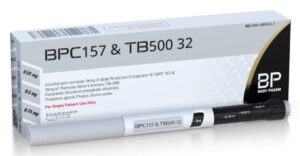
BPC157 & TB500 32 contains 32 mg total of two synergistic peptides. 16 mg BPC-157 and 16 mg TB-500—per pen. This pen is capable of dispensing precise doses of 0.25 mg, 0.5 mg, 0.75 mg, or 1 mg (delivering equal parts of each peptide per dose) for flexible administration based on research or practitioner instruction. BPC157 & TB500 32.
This compound is intended for research use only. It should only be handled by qualified professionals in appropriate settings.
If you have further questions, consult your healthcare provider or research supervisor.
1. What BPC157 & TB500 32 is and what it is used for
BPC157 & TB500 32 is a dual-peptide injectable research compound combining:
BPC-157: A pentadecapeptide derived from a protein found in the stomach, known for its role in tissue repair, angiogenesis, and reducing inflammation.
TB-500 (Thymosin Beta-4 fragment): A synthetic version of a naturally occurring peptide that promotes regeneration, cell migration, and wound healing.
Key Research Applications:
Accelerating recovery of muscles, tendons, ligaments, and joint tissue
Reducing inflammation in injured tissues
Supporting vascular and connective tissue healing
Promoting repair of soft tissue, even under stress
Increasing flexibility and mobility post-injury
The combination of BPC157 and TB500 offers a synergistic effect—amplifying tissue regeneration, enhancing recovery time, and offering systemic repair properties.
2. What you need to know before using BPC157 & TB500 32
Do not use BPC157 & TB500 32 if you:
Are allergic to either peptide or any excipients in the formulation
Are pregnant or breastfeeding
Are not trained in research handling or injection protocols
Warnings and precautions:
This product is not approved for therapeutic use and is intended for research purposes only
Not for use in individuals under 18 years of age
Speak to your research supervisor or healthcare provider if:
You experience skin reactions at the injection site
You have a bleeding disorder or are on anticoagulant therapy
3. How to use BPC157 & TB500 32
Always use this product exactly as instructed by your protocol or supervising practitioner.
Administration Route: Subcutaneous injection using the prefilled pen.
Dosage Guidance:
Each pen contains 32 mg (16 mg of each peptide)
Available doses per injection: 0.25 mg, 0.5 mg, 0.75 mg, or 1 mg
Standard protocols involve daily or alternate-day administration depending on research focus
For instance, 0.5 mg selected, delivers 0.5 mg BPC157 and 0.5 mg TB500 per dose
Injection sites:
Abdomen (at least 5cm from navel)
Outer thigh
Back of upper arm
Rotate sites to avoid irritation
BPC157 & TB500 36 – Suggested Dosage Guidelines
Dosing may vary depending on the purpose of the research or recovery objective:
4. Possible side effects
Like all research peptides, BPC157 & TB500 may cause side effects, although not everyone will experience them.
Common side effects:
Mild irritation or redness at injection site
Fatigue
Headache
Less common side effects:
Nausea
Temporary flushing
Rare side effects:
Allergic reaction (rash, swelling, dizziness)
Increased vascularization in specific areas
Reporting side effects: Report all side effects via www.bodypharm.me/contact or to your research authority.
5. How to store BPC157 & TB500 32
Store in a refrigerator at 2°C to 8°C
Do not freeze
Protect from sunlight and heat
Keep out of reach of children
Use within 8 weeks of opening
Keep the pen capped when not in use
Do not use if the solution appears cloudy or discolored.
6. Contents of the pack and other information
What BPC157 & TB500 32 contains:
Active ingredients: 16mg of Body Protection Compound-157 (BPC-157) & 16mg of Thymosin Beta-4 Acetate (TB-500)
Excipients: Disodium phosphate dihydrate, Propylene glycol, Phenol, Sterile water
Packaging contents:
1 x Prefilled injection pen (32 mg total peptides)
8 x sterile injection pen needles
Product form: Clear, colorless
7. Instructions for Use
Using the BPC157 & TB500 32 Pen:
Prepare your pen: Wash your hands. Check the name and colored label on the pen to make sure you have the correct peptide. Do not use the pen if the solution looks cloudy or discolored.
Attach a new needle: Remove the pen cap. Wipe the rubber seal with an alcohol swab. Attach a new needle to the pen.
Prime your pen (for first use only): Turn the dose selector to 0.25 mg. Hold the pen with the needle pointing up and press the injection button until a drop of liquid appears at the needle tip.
Select your dose: Turn the dose selector to the correct dose: 0.25 mg, 0.5 mg, 0.75 mg, or 1 mg as prescribed by your doctor.
Inject your dose: Choose an injection site (upper arm, abdomen, or thigh). Clean the site with an alcohol swab. Insert the needle into your skin and press the injection button. Hold the button until the dose counter returns to “0”. Keep the needle in the skin for 5 seconds to ensure the full dose is delivered.
Dispose of the needle: Remove the needle and dispose of it in a sharps container. Replace the pen cap.

Melanotan II is an unlicensed and largely untested form of alpha-melanocyte-stimulating hormone, which causes pigmentation (tanning) of human skin. Melanotan II is a variant of melanotan I (afamelanotide), a drug used in the treatment of erythropoietic protoporphyria.
Melanotan II is not approved for the treatment of any medical conditions currently. It has been reported to cause a wide range of potentially serious side effects. Warnings against its use have been issued from the US, UK and several other countries.
How does melanotan II work?
Melanotan II non-selectively mimics the action of melanocortin peptides. These are natural hormones involved with pigmentation, energy homeostasis, sexual functioning, the immune system, inflammation, and the cardiovascular system. Much like melanotan I (afamelanotide), melanotan II stimulates the production of eumelanin, causing the skin to go darker (tanning).
Melanotan II is usually administered as an injection of liquid underneath the skin, commonly every second day. Trials have shown that the tanning effect can occur within 5 doses.

CJC-1295 and ipamorelin belong to a category of synthetic therapeutic peptides called growth hormone secretagogues, or substances that promote the secretion of growth hormone. Growth hormone, for its part, increases cellular replication, encourages collagen synthesis in your skeletal muscles, and stimulates the production of a separate hormone called insulin-like growth factor-1 (IGF-1), which helps regulate the process by which your body creates fat.1 2 3 Given these qualities, a higher concentration of circulating growth hormone can lead to improved exercise training, increased muscle strength, and a decreased propensity for fat accumulation.4
Despite belonging to the same category and effecting a common outcome, CJC-1295 and ipamorelin have distinct mechanisms of action:
CJC-1295’s mechanism of action
CJC-1295 mimics a chemical from the hypothalamus called growth hormone-releasing hormone (GHRH), which tells the pituitary gland to release growth hormone.5
Ipamorelin’s mechanism of action
Ipamorelin is an analog of ghrelin, a hormone originating from the cells in your stomach.6 As such, it binds to the brain’s ghrelin receptor and, like GHRH, stimulates growth hormone secretion from the pituitary. Importantly, its secretagogue action is selective, having no effect on stress hormones like cortisol, an overpresence of which can cancel your efforts to gain muscle or shed fat.7 8
Why are CJC-1295 and ipamorelin used together?
CJC-1295 and ipamorelin are commonly used together because they have complementary time-release characteristics:
CJC-1295 is effectively GHRH that has been modified to have a longer half-life, so it stimulates pituitary growth hormone secretion in a sustained manner over an extended period.9
Ipamorelin acts on the pituitary gland directly, inducing a more immediate dump of growth hormone into circulation.