
PURE 5-Amino-1M 5MG VIAL – R 550
About 5-Amino-1M
5-Amino-1MQ is a small-molecule research compound known for its interaction with nicotinamide N-methyltransferase (NNMT), an enzyme involved in cellular metabolism and energy regulation.
How It Works in Research
Researchers investigate whether influencing NNMT pathways may affect energy expenditure, fat metabolism and body-composition regulation.
Research Applications
Metabolic research applications Body-composition studies Fat-metabolism investigations Weight-management research Energy-utilisation research
Key Benefits
Studied for metabolic-function support
Investigated for body-composition research
Researched for energy-utilisation pathways
Commonly studied for fat-metabolism applications
Investigated for NNMT inhibition
Product Specifications
Product Name: 5-Amino-1MQ
Strength: 5mg
Purity Standard: ≥99%
Research Information
Appearance: Lyophilised Powder
Category: Metabolic Research Compound
Storage: Refrigerate After Reconstitution
Included with your purchase
Each qualifying product includes 3ml of 0.9% Benzyl Alcohol Bacteriostatic Water.

PURE BACTERIOSTATIC WATER 10ML – R 195
About Bacteriostatic Water (BAC Water)
A sterile water solution containing <strong data-start=”1292″ data-end=”1315″>0.9% benzyl alcohol</strong>, supplied as a preserved laboratory diluent for research applications.
How It Works in Research
Add product-specific research mechanism content using the custom field: pl_how_it_works.
Research Applications
Add product-specific research application content using the custom field: pl_who_is_it_for.

PURE ARA-290 10MG VIAL – R 750
About ARA-290
ARA-290 is an 11-amino acid peptide derived from the helix-B domain of erythropoietin. It selectively activates the Innate Repair Receptor (IRR) without stimulating red blood cell production, making it a focus of research into neuropathy, tissue repair and inflammation.
How It Works in Research
Researchers study ARA-290 for its potential to support tissue repair and reduce inflammation while avoiding the erythropoietic effects associated with erythropoietin.
Research Applications
Peripheral neuropathy Small-fiber neuropathy Tissue repair Neuroprotection Inflammation research Pain modulation
ARA-290 binds the Innate Repair Receptor (EPOR/CD131 heterodimer), activating anti-inflammatory and anti-apoptotic signalling pathways that promote tissue repair without increasing red blood cell production.
Key Benefits
Neuroprotection research
Tissue protection studies
Anti-inflammatory activity
Nerve regeneration research
Pain-modulation investigations
Product Specifications
Product Name: ARA-290
Alternate Chemical Name: Cibinetide (HBSP)
Reference Strength: 10mg
Purity Standard: ≥98% (HPLC)
Appearance: White to off-white lyophilised powder
Category: Tissue-Protective Peptide
Included with your purchase
Each qualifying product includes 3ml of 0.9% Benzyl Alcohol Bacteriostatic Water.
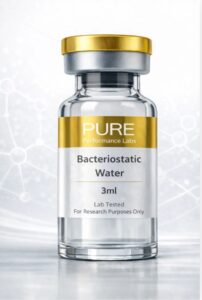
PURE BACTERIOSTATIC WATER 3ML – R 150
About Bacteriostatic Water (BAC Water)
A sterile water solution containing <strong data-start=”1292″ data-end=”1315″>0.9% benzyl alcohol</strong>, supplied as a preserved laboratory diluent for research applications.
How It Works in Research
Add product-specific research mechanism content using the custom field: pl_how_it_works.
Description
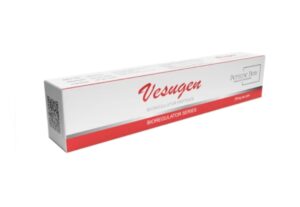
Vesugen is a synthetic tripeptide with the amino acid sequence Lys-Glu-Asp (KED). It belongs to the class of Khavinson bioregulator peptides, short-chain molecules developed to exert highly tissue-specific epigenetic regulation. Vesugen selectively targets vascular endothelial cells, smooth muscle cells, and pericytes of the blood vessel wall.
Mechanism of Action
Vesugen interacts with nuclear regulatory proteins and chromatin in vascular cells, normalizing transcription of genes involved in:
These effects promote restoration of vascular homeostasis, improve endothelial function, reduce chronic low–grade inflammation, and support structural and functional integrity of blood vessels at the molecular level.
Indications & Usage
Vesugen is used to support vascular and endothelial health. It is indicated for:
Contraindications & Warnings
Do not use if you have:
Warnings
Dosage & Administration
Administration Instructions
Side Effects
Vesugen is generally well tolerated. Reported reactions are rare and mild, including:
Storage & Handling
Powered by Precision MSSPT
Peptide Pen formulations set the standard for research peptide delivery in challenging environments. Powered by exclusive MSSPT, each pen combines buffers, antioxidants, and proprietary agents in a compact, user-friendly injector, delivering strict control over pH, light, oxygen, oxidative factors, and moisture even under South Africa’s subtropical variability or the UAE’s extreme desert heat and humidity. This proprietary technology positions Peptide Pen as the premier choice for researchers in these regions: no mixing, no guesswork, and reliable, high-fidelity results despite demanding protocols and climates. Every Peptide Pen is built for exceptional durability, reliability, and performance- providing precision molecular stabilization in every dose, wherever your research takes you.
IMPORTANT NOTICE
This product is not intended to diagnose, treat, cure, or prevent any disease. Statements have not been evaluated by the FDA, SAHPRA, or other authorities. Always consult a licensed healthcare provider before use, especially if pregnant, breastfeeding, under 18, or managing medical conditions.

GHRP-6 is a potent stimulator of natural Growth Hormone release. GHRP-6 is a Hexa-peptide that promotes food intake by stimulating hunger and helps increase energy metabolism. Growth Hormone Releasing Peptides, similar to GHRP-6, are most commonly used for treatment of Growth Hormone (GH) deficiencies, eating disorders, obesity, etc. Research has shown that use of these HGH Peptides increases lean muscle mass, strength, stamina and decreases body fat.
The Development of GHRP-6
In 1982, the natural hormone “Growth Hormone Releasing Hormone” (GHRH) was identified after a prolonged search. Soon, researchers discovered that those GH-Releasing Peptides (specifically GHRP-6 & GHRP-2) followed a mode of action which bound them to and was mediated through receptors different from those for GHRH. Furthermore, researches discovered that these GH-Releasing Peptides acted synergistically with the natural hormone Growth Hormone Releasing Hormone (GHRH), which is related to Sermorelin, in both laboratory animals and humans to produce large releases of Growth Hormone. In the 1980s, the first highly potent GH-Releasing peptide, GHRP-6, was developed. Due to a strong GH release response from the the peptide, it became the first member of a class called Growth Hormone secretagogues. GHRP-6 is a hexapeptide composed of 6 amino acids: L-Histidine, D-Tryptophan, L-Alanine, L-Tryptophan, D-Phenylalanine and L-Lysine. The “L” form of an amino acid is the naturally occurring form and often in the nomenclature the “L” is dropped. The “D” form does not occur in nature and is the isomeric form (i.e. mirror image) of the naturally occurring “L” form. GHRP-6 (His-D-Trp-Ala-Trp-D-Phe-Lys-NH2) is composed of both natural and isomeric forms of those 6 amino acids.This sequence provides a signal to the body to begin secreting Growth Hormone release while also blocking Somatostatin, a hormone that inhibits the release of Growth Hormone.
GHRP6
GHRP6 is a growth hormone releasing hormone. GHRP 6 is a true HGH secretagogue. Which means it stimulates the body’s own secretion of HGH. GHRP-2, GHRP-6 and Hexarelin are replaceable drugs and have similar mechanism of action. They do however have small differences and therefore different athletes have their preferences.GHRP-6 up to 100mcg has no increase of cortisol and prolactin levels.
PRODUCT DETAILS
5000mcg per vial
Constitute
1ml or 2ml of water (but with the small measurements we suggest you use 2ml) depending on the brand you use.
Dosage
100mcg to 300mcg as many as 5 times a day. Usually between 3 to 5 times per day before meals. Always take your last injection at bedtime.If you mix your GHRP6 5000mcg with 2ml of water then a 100mcg dose will measure 4 ticks on your insulin syringe. Not 40 but the small 4 ticks.Because of the frequency of injections it would be best to use the insulin syringes with a 8mm x 30 gauge (0,30mm) needle on. This is the smallest needle you can get.
Functions
Increases muscle mass and reduce body fat. Increases appetite but not as dramatically as GHRP-2. GHRP-6 keeps your endogenous (natural) GH production flowing. It also strengthens the joints, connective tissue and bone mass.
TIPS
GHRP2 and GHRP6 works best if coupled with CJC1295 to get the most out of the peptides.
Intramuscular and subcutaneous routes lead to different onset times but roughly similar peaks and declines.
It can be used alone or in conjunction with Growth Hormone.
Post-injection: 30 minutes post-injection is usually when GHRH stimulation of GH release is complete, meaning it’s safe to consume food/beverages after this time without worrying that they will cause your injection to be less effective. Consuming a high protein/carbohydrate meal at this time will create an insulin spike and therefore assist with the anabolic (muscle building) effects of GH. Those looking to burn fat should wait as long as possible before eating and when you do, only eat high protein, low fat and low carbohydrate meals to allow GH’s fat burning effects to last as long as possible.
Alternatively you can inject it 1 to 1.5 hours after a meal.
Do not combine GHRP-6 and GHRP-2 in a cycle. It has very similar effects with small differences and preferences from person to person.

GHK-Cu is a complex consisting of the tripeptide GHK (glycyl-histidyl-lysine) and copper (Cu). GHK was first discovered in 1973 by Dr. Loren Pickart, who found it caused older human liver tissue to produce proteins more characteristic of younger tissue. This resulted in GHK being originally described, specifically, as a liver cell growth factor. However, as research continued, experts found that GHK could modulate a number of different cells besides those in the liver.
GHK is naturally found in human saliva, plasma, and urine, but its standard levels are reduced by over half once you reach age 60. As researchers note, this decline “coincides with the noticeable decrease in regenerative capacity of an organism. This suggests that, for example, lower natural GHK levels may contribute to things like slower wound healing in older adults.
According to experts, GHK has a “strong affinity for copper” and “readily” links up with it to form GHK-Cu. In this form, the peptide complex appears to have strong protective and regenerative properties, leading to its widespread use in cosmetics.
What is GHK-Cu used for?
Most often, you’ll find GHK-Cu copper peptides (usually listed in ingredient lists under the name Copper Tripeptide-1) in various cosmetics, with skin care products being some of the most popular use cases. According to a 2018 review, GHK-Cu has demonstrated the ability to:
Tighten loose skin
Reverse age-related skin thinning
Repair the skin’s protective barrier proteins
Improve skin firmness and elasticity
Reduce the appearance of fine lines and wrinkles
Smooth rough skin
Stimulate wound healing
Lessen the appearance of photodamage (sun damage), hyperpigmentation, skin spots, lesions, and more
Reduce inflammation and damage from free radicals
Increase hair growth and thickness
Additionally, in research from 2015, the authors noted that GHK-Cu may be able to stimulate collagen, regulate the skin remodeling process, attract immune cells to the site of an injury, and restore “replicative vitality to fibroblasts” (a cell that helps form connective tissue) in patients who’ve undergone radiation therapy for cancer.
To help you better understand how GHK-Cu works, we’ll break down some of the research behind the peptide’s potential applications for hair, skin, and other health aspects.
Skin aging
In a 2018 review, the authors detailed multiple positive studies and trials on the use of GHK-Cu for signs of skin aging. One trial had 71 women with “mild to advanced signs of photoaging” apply a facial cream containing GHK-Cu daily for three months and found that the treatment increased skin density and thickness while reducing sagging and the appearance of fine lines and wrinkles. In another trial, 41 women with “mild to advanced photodamage” applied GHK-Cu eye cream for three months; it reduced lines and wrinkles, improved skin density, and increased skin thickness better than both placebo and vitamin K cream.
Similarly, in a pilot study investigating copper tripeptide topicals for aged skin, experts found that they increased skin thickness, improved hydration, boosted collagen synthesis, and increased elasticity.
Hair growth
In a review from 2023, experts explained that GHK-Cu may promote hair growth in a few different ways. The first is by stimulating fibroblasts and promoting the formation of new blood vessels to help hair follicles receive the nutrients needed to grow. Second, GHK-Cu appears to inhibit growth factor beta, thereby preventing hair follicles from prematurely shrinking. And lastly, GHK-Cu may support dermal papilla cells (an important cell for healthy hair formation) to stimulate hair growth.
Wound healing
In animal studies, GHK-Cu has demonstrated wound-healing abilities. In one rabbit study, it improved “wound contraction and formation of granular tissue,” boosted antioxidant enzymes, and stimulated blood vessel development and growth. Also, a collagen dressing with GHK-Cu accelerated the healing of wounds in both healthy and diabetic rats.
However, researchers point out that GHK-Cu is “very sensitive” to breakdown by certain enzymes. Wounds like diabetic skin ulcers and bedsores often develop something called a “wound serum” that contains these enzymes. This “serum” breaks down GHK-Cu, rendering it ineffective.
Tissue regeneration
An in vitro study found that treating lung fibroblasts from COPD patients with GHK-Cu helped restore their function. The researchers also suggested that GHK-Cu may be able to reverse gene expression changes associated with emphysema.
Anti-cancer actions
Because GHK-Cu can activate cell growth, tissue remodeling, and blood vessel development, experts express concerns about its potential to trigger cancer. Interestingly, though, GHK-Cu appears to possess “potent” anti-cancer properties. The peptide is one of two skin remodeling substances that may be able to downregulate the expression of “metastatic” genes.
In an older 1983 animal study (published in 2014) that was conducted in part by Dr. Pickart, who discovered the peptide, a mixture of GHK-Cu and vitamin C suppressed the growth of a highly malignant cancer in mice called sarcoma-180.
Anti-pain effects
GHK-Cu also appears to possess analgesic, or anti-pain, effects. In one mouse study, researchers found that the peptide reduced the pain felt by the animals in their paws when “placed on a mildly hot plate.” The authors explained that this could be because GHK is similar in structure to cimetidine, a histamine H2 receptor antagonist sometimes given to reduce pain in certain digestive conditions.
With all of this in mind, it’s not surprising that GHK-Cu has become a popular ingredient in topicals intended to reduce a host of skin- and hair-related concerns. And as detailed above, you may soon see this peptide being used as a part of therapy or treatment for other health conditions. As the science develops, we’ll update this guide accordingly.
Are GHK-Cu copper peptides safe?
To date, no existing research has discovered any serious safety concerns with the use of GHK-Cu copper peptides.
In fact, one study noted that the peptide “has a long history of safe use in wound healing and skin care; it is naturally occurring, nontoxic, and is active at a very low nanomolar concentration.” In addition, another piece of research described GHK-Cu as “a safe, inexpensive, extensively studied compound.”
However, though this is reassuring, there are a couple of things to remain mindful of:
Copper toxicity
Since GHK-Cu contains copper, it’s important to only use products containing it as directed to avoid potential copper toxicity.While it’s unlikely that using GHK-Cu products will cause copper toxicity, especially since the concentrations of the peptide are typically well within safe parameters, it’s still good to be aware of the possible risk.
Some symptoms of copper poisoning may include abdominal pain, vomiting, chest pain, chills, cough, fever, general weakness, anemia, burning sensations, tremors, and a metallic taste in the mouth.
Angiogenesis and cancer
GHK-Cu may promote the formation of new blood vessels, or angiogenesis. As explained by the U.S. National Cancer Institute, “Angiogenesis plays a critical role in the growth of cancer because solid tumors need a blood supply if they are to grow beyond a few millimeters in size.”
So, despite GHK-Cu’s potential anti-cancer action, those who have active or suspected cancer may still wish to avoid using products containing the peptide. And if you develop any symptoms of cancer while using GHK-Cu, it’s best to discontinue use and contact your doctor for their input and potential testing.
It’s also important to point out that there haven’t been any studies investigating the long-term use of this peptide in humans, so we currently don’t know if there are any potential downsides or dangers to using it for an extended period.
Common side effects of GHK-Cu
Before adding GHK-Cu to your routine, it’s important to first conduct patch testing — as you should with any new topical product. Even if GHK-Cu doesn’t cause a reaction, you may still have a sensitivity or allergy to one of the other ingredients in the product you’re using.
If GHK-Cu does happen to cause any adverse reactions, they’re typically mild and transient (meaning they should go away over time). Common side effects include redness, itching, or irritation at the application site. If you experience any severe reactions like hives, swelling, difficulty breathing, etc., then it’s important to stop using the product right away, gently wash it off with cool water, and either contact your doctor or seek prompt medical attention if necessary.
GHK-Cu and “copper uglies”
Albeit rare, some people may experience a side effect from using GHK-Cu or other copper peptides known as “copper uglies.” Though there aren’t any studies on this phenomenon, some users have anecdotal reports of copper peptide skin care products leading to what looks like accelerated skin aging instead of antiaging.
This may be due to copper’s ability to enhance the expression of metalloproteinases (MMPs). Now, the degradation of collagen is normally regulated by MMPs, and a specific one, MMP-1, may be responsible for “the initiation of collagen fragmentation.” Supporting this, a 2024 study noted that elevated MMP-1 levels appear to contribute to aging skin. The study authors found that higher MMP-1 levels in mice led to:
The loss and fragmentation of dermal collagen fibrils
Contracted fibroblast morphology
Reduced collagen production
Increased expression of pro-inflammatory mediators
Keeping that in mind, a 2016 study found that GHK-Cu “significantly increased gene expression of MMP-1 and MMP-2 at the lowest concentration.” The study’s authors considered this to be one of the reasons the peptide was able to increase collagen and elastin production.
So, what this could ultimately mean is that using too much GHK-Cu (or other copper peptides) may — in theory — increase the skin’s MMP-1 concentration above the levels involved in healthy collagen production and take it into the “collagen fragmentation and breakdown” territory seen in older skin with naturally higher MMP-1 levels.
Again, the “copper uglies” are rare, but it’s still best to conduct a spot test elsewhere on your body before applying GHK-Cu peptides to the face. It could also be worth checking the ingredients of the skin care products in your daily regimen to ensure you aren’t using multiple copper peptide products all at once.
Who are GHK-Cu peptides for?
Based on both the information we learned from knowledgeable medical professionals and what researchers have suggested GHK-Cu has the potential to do, those who’d likely benefit the most from using products containing the peptide include:
People seeking an antiaging product for wrinkles, fine lines, and/or sagging skin
Those who would prefer an alternative to other, often harsh antiaging actives like tretinoin or glycolic acid
Individuals with inflammatory skin conditions (e.g., eczema, rosacea, etc.)
People looking to reduce the appearance of striae, or stretch marks
Those with scarring due to injuries, surgeries, or acne
Individuals dealing with hyperpigmentation concerns (e.g., melasma, dark spots)
Anyone seeking a proactive skin health product
People who would like to or who need to find an alternative hair growth solution
Individuals with slow-healing wounds that aren’t bedsores or due to diabetes
Those with acne, including cystic acne
When it comes to some of the other potential applications we detailed earlier in this guide — like pain relief and anti-cancer activity — more human research is needed before we can definitively say it should be used by individuals for those purposes. If you’re being treated for pain or cancer, it’s best to stick with what your doctor prescribes. This is especially important for cancer patients, as GHK-Cu may even increase the risk of cancer progression (more on that below).
Who should avoid GHK-Cu?
Because of its history of safe use, there aren’t too many populations that should avoid using GHK-Cu. However, that doesn’t mean there aren’t any. Those who should reconsider or avoid copper peptides like GHK-Cu include:
Anyone under the age of 18: We don’t yet know if copper peptides can have an adverse effect on young people.
Those who are pregnant or breastfeeding: Similar to the above point, there isn’t enough research on whether or not copper peptides can affect a developing fetus or be transferred into breast milk.
People with active or suspected cancer: Even though it may have anti-cancer potential, GHK-Cu could promote the formation of new blood vessels, which can “feed” tumors.
Individuals with Wilson’s disease: This rare genetic condition causes copper to build up in your body, so using copper peptides may be dangerous.
How to use GHK-Cu peptides
Unlike many other peptide therapies, GHK-Cu typically isn’t administered as an injectable; it’s most often applied topically as a cream or serum. While some clinics may offer it as an injection or even orally, most of the research on GHK-Cu has utilized topical delivery. This is why we’ll primarily be focusing on what it’s like to use GHK-Cu peptides in the form of topicals. As the research on other administration methods develops, we’ll update this information accordingly.
In contrast to certain ingredients, like tretinoin or retinol, GHK-Cu won’t make your skin extra-sensitive to UV rays. In fact, GHK seems to actually block “lethal ultraviolet radiation damage” and protect the skin, per a 2014 study. This means that GHK-Cu doesn’t need to be applied at a certain time; you should be able to use it either during the day or at night. But if the product instructions say to apply it during a specific time — or at different times throughout the day — it’s best to follow the manufacturer’s directions.
GHK-Cu skin care results timeline
As with most skin care products, noticeable results from topical GHK-Cu copper peptides will take some time and consistent use. Based on what our team learned from communicating with medical professionals, the general timeline is as follows:
First two weeks: Users may notice better skin hydration, reduced redness or irritation, and smoother skin.
After 1-2 months: Fine lines and wrinkles might start to noticeably fade as skin texture and elasticity begin to improve. Those with inflammatory skin conditions may also experience improvements in symptom management.
After 3-6 months: As skin elasticity and firmness continue to improve, scars and hyperpigmentation might begin to noticeably fade at this stage.
Long-term use: Continuous use could lead to sustained collagen production, maintained skin hydration, less visible wrinkles, and better overall skin health.
Of course, everyone is different, and how your skin reacts to GHK-Cu products is no exception. For example, you might not experience the first potential benefits until after a month of using the peptide, or you could see later benefits sooner.

TB-500 is a synthetic peptide fragment mimicking the active region of Thymosin Beta-4 (TB-4), a naturally occurring protein that plays a central role in cell movement and tissue regeneration. It is heavily researched and popular in alternative wellness circles for its systemic healing, anti-inflammatory, and tissue repair capabilities.However, users must note that TB-500 is an experimental compound. While animal and cell models show significant therapeutic mechanisms, it lacks large-scale human clinical trials and is not FDA-approved for human use.
Core Theoretical BenefitsPreclinical research and anecdotal user reports highlight several key biological benefits:
Core Theoretical Benefits
Preclinical research and anecdotal user reports highlight several key biological benefits:
Soft-Tissue Repair: It accelerates the recovery of muscles, tendons, and ligaments. It binds to actin filaments, reorganising the cellular skeleton to help repair cells quickly migrate to injured sites.
Blood Vessel Growth: It promotes angiogenesis, the formation of new blood vessels. This improves blood supply and oxygen delivery to notoriously slow-healing, poorly vascularised tissues like tendons.
Inflammation Control: TB-500 dampens pro-inflammatory cytokines (like IL-6 and TNF-alpha). This helps reduce chronic swelling, joint stiffness, and associated pain during injury rehab.
Systemic Healing: Unlike some localized compounds, TB-500 circulates throughout the entire body. It is studied for broad-spectrum recovery rather than just localized, site-specific treatment.
Secondary Regenerative Properties: Early animal models suggest potential cardioprotective effects (repairing heart tissue after injury) and neuroprotective traits (supporting neuronal survival in the brain).

Tesamorelin is a synthetic peptide designed to mimic growth hormone-releasing hormone (GHRH). Its primary function is to stimulate the release of growth hormone (GH) from the pituitary gland. Tesamorelin has gained popularity in the fitness and bodybuilding community for its ability to support fat reduction, muscle growth, and overall body composition improvement.
How It Works
Boosts GH Levels: Tesamorelin activates GHRH receptors in the pituitary gland, encouraging the production and release of growth hormone. This increase in GH also leads to higher levels of Insulin-Like Growth Factor 1 (IGF-1) in the bloodstream.
Elevates IGF-1 Production: By enhancing IGF-1 levels, Tesamorelin promotes anabolic processes that support muscle repair and growth.
Benefits for Fitness and Bodybuilding
Fat Reduction: Tesamorelin is highly effective at targeting and reducing visceral fat, the type of fat stored around internal organs. This is particularly beneficial for achieving improved muscle definition and overall body aesthetics. It is especially useful for reducing abdominal fat, which is often stubborn and difficult to lose.
Enhances Muscle Growth and Recovery: By raising GH and IGF-1 levels, Tesamorelin supports protein synthesis, crucial for muscle growth and repair. This results in increased lean muscle mass and faster recovery after intense workouts.
Improves Recovery Rates: Higher GH levels help reduce inflammation and accelerate the repair of muscle tissues. This enables athletes to train more frequently and with greater intensity, enhancing performance and overall muscle development.
Supports Longevity: Tesamorelin provides additional benefits such as improved skin elasticity, better bone density, and overall vitality, contributing to a healthier and more active lifestyle.
Administration Guidelines
Dosage: A typical dose ranges between 1 to 2 mg daily, administered via subcutaneous injection. It is often used in cycles to prevent receptor desensitization.
Timing: The best time to administer Tesamorelin is usually before bed, aligning with the body’s natural GH production during sleep.
Stacking with Other Peptides: It can be paired with peptides such as Ipamorelin or CJC-1295 to amplify its effects on GH release and muscle development.
Key Takeaway
Tesamorelin is an excellent option for individuals aiming to reduce fat, enhance muscle growth, and accelerate recovery. Its ability to stimulate GH and IGF-1 production makes it a valuable asset for improving physical performance and body composition.

BPC-157, which stands for Body Protection Compound 157, is a peptide chain that consists of 15 amino acids. Since such a sequence doesn’t exist in nature, the compound is considered synthetic. However, it is based on a protective compound that is present in the human stomach.
Numerous studies and lab research experiments conducted on rodents have shown that BPC-157 can have a variety of therapeutic and physical effects.
BPC-157 works by triggering the formation of new blood vessels, a process that is called angiogenesis. Such activity promotes healing and induces faster regeneration of cells. It also works by blocking or preventing the growth-inhibiting effects of a molecule named 4-hydroxynonenal. So, when you buy BPC-157, it will stimulate the tendon cells to make even more receptors for the growth molecules, which will, in turn, induce them to grow and move during injury repair.
BPC-157 is known for its regenerative effects and has been shown to accelerate the process of healing. It has several protective abilities for the stomach and intestinal tracts, such as healing stomach ulcers, intestinal damage like inflammation, and fistulas as well. However, it has benefits to go beyond the digestive system. BPC-157 has been shown to heal bones and joint damages as well as organs. It also promotes the growth rates of bones.
What Are The Benefits of BPC-157?
Now, I’m sure you must be wondering, why you should buy BPC 157 injection, right?
Well, here’s a list of the various benefits BPC-157 can have on your body.
Lower intestinal damage like fistulas and inflammation
Cure and heal stomach ulcers
Improve wound healing
Increase cellular regeneration
Boost bone and joint healing
Heal organ damage
Reduce muscle wastage
Promote growth and muscular development through angiogenesis
Influence neurotransmitter activities and help cure mental health issues
Lower blood pressure
Reduce side-effects of high potassium levels
However, before you buy BPC-157 online or elsewhere, it is important to remember that this substance is still under research and studies. Experiments with animals are still underway, so the multiple mechanisms of BPC-157 will still require further studying. Human trials and more research is required before we can positively conclude about the effects of BPC-157.
What Are The Side-Effects of BPC-157?
Although studies conducted with BPC 157 on humans showed that there were no severe adverse or negative effects of the compound, there is the possibility that upon the usage you may face common side effects that tend to arise as a result of peptide consumption.
The common side-effects of peptides include:
Fatigue and tiredness
Dizziness
Nausea and vomiting
Possibility of liver and kidney toxicity
Hot flashes (feeling hot and cold)
Changes in blood pressure
Possibility of heart complications (stroke, abnormal heart rhythms)
Cancer
Such substances can be highly toxic to fetuses so pregnant individuals shouldn’t be using BPC-157 or any such peptide.
You may also be at risk of experiencing side-effects if you suffer from preexisting medical conditions, or if you are consuming certain kinds of medication. So make sure to speak to your doctor or a licensed medical professional before you buy a BPC injection, buy BPC 157 5mg vials, or anything similar.
How To Use BPC-157?
The dosage for BPC-157 is a tricky thing to address, as the substance hasn’t yet been subjected to full-blown human trials.
However, people who have used it say that generally, the general dosage is about 600mcg (micrograms) for an individual who weighs 60 kg or 132lbs. If you’re a female, you may require even lower doses. Furthermore, if you are consuming only for pain relief purposes, the dosage for BPC-157 will be around the 250mcg mark.
The most common way to administer BPC-157 is through the form of injections, which are sent directly to the abdominal cavity, rather than being injected into the muscle or skin tissue like other peptides and SARMS.
It is incredibly important to remember to consult a doctor or a licensed medical professional before you decide on dosage and begin using BPC-157. If you take more than what is required, you may experience intense and severe side-effects.
Disclaimer: The statements, opinions, and data contained in these publications are solely those of the individual authors and contributors and not of Anabolics-SA and the editor(s).
TB-500 is a peptide fragment hormone that is primarily used in the treatment of various muscle injuries or pain caused by inflammation. There is very little official human data available for this product; however, it has been a longtime hormone used in racehorses. TB-500, although synthetic, serves to act as a synthetic form (loosely) of Thymosin Beta-4 (TB-4). TB-500 is not TB-4; although very commonly confused as TB-4, it is designed to provide the benefits of the naturally occurring thymus produced hormone.
TB500
TB-500 Functions and Traits
The thymus gland as well as in various localized cells in the human body produces thymosin Beta-4 (TB-4). TB-4 is found in cytoplasm in high levels of concentration as well as in wound fluid. TB-500 is designed to promote the actionable area – the part of TB-4 that promotes healing. More importantly, manufacturing TB-500, despite not being TB-4 is possible while the latter is extremely difficult.
The primary purpose of TB-500 lies in its ability to promote the upregulation of cells in the body. Upregulation increases the cell’s sensitivity to action, specifically in proteins such as actin. This action helps to regulate inflammation in injured areas of the body as well as provide new blood vessel pathways. Of interesting note – TB-500 possesses a very low molecular weight allowing it to carry a high level of mobility in the body. Simply put, TB-500 can travel long distances through the body, virtually to all locations. TB-500 does not have to be administered to the injured area but will find its way to all injured areas regardless of administrated location.
Effects of TB-500
In the world of performance enhancement, TB-500 is not meant to be used to bulk, cut, lose fat or increase strength. This is a peptide hormone that is designed to promote healing, specifically the healing of wounded or injured areas of the body. TB-500 can be used to treat muscle tears or strain, tendon inflammation and even skin injuries. This peptide will not cause instant healing of an injured area. If a muscle is torn it is torn, but use of TB-500 will in many cases speed up the healing process. For nagging injuries, those that don’t keep the individual out of the gym but slow his progress, it may provide the edge he needs to continue his training without it being diminished.
The effects of TB-500 have also been linked to hair growth, specifically the reversal of hair loss caused by male-pattern baldness. However, how significant this effect is and how much truth it holds scientifically is still highly questionable as no official data exist. The only data on hair growth is anecdotal.
Side Effects of TB-500
The side effects of TB-500 are lacking in official capacity as the peptide has been primarily used in horses since the early 1980’s with almost no human data available. As with any injectable medication, especially peptides, the most common side effect will be skin irritation at the injected site. However, this does appear to be less common with TB-500 as compared to other injectable peptides in terms of anecdotal reports by users. Headaches and other ill-like symptoms also appear to be very rare.
TB-500 Administration
TB-500 comes in freeze-dried (lyophilized) form and must be reconstituted with bacteriostatic water for administration. The most common dosing range in human use is 2.0 to 2.5mg of TB-500 two times per week for approximately 4-6 weeks. Once the 4-6 weeks of use is complete, once the injured area has improved, some users will reduce to one to two injections per month for injury prevention. Many users report greater muscle flexibility when using TB-500, thereby reducing further injury potential.
Higher doses of TB-500, those beyond 2.0-2.5mg twice per week, there is no data available to support how much stronger such dosing plans will be. There is very little data to support the lower doses beyond anecdotal but even less when it comes to higher doses. As healing and injury prevention is the primary point of use and the 2.0-2.5mg plans seem to carry a high rate of success, this does tend to lend to higher doses being unnecessary.
TB-500 Reviews
TB-500 is one of the more interesting peptides on the market due to its potential for directly healing injuries. Some data, although limited, has also shown the peptide may in fact have heart-healing properties, particularly that of ventricle hypertrophy. However, because full data on TB-500 is so limited, it’s very hard to give an honest review beyond “he said she said.” But it’s also difficult to ignore that many users do tend to heal much faster with it than without, and in some cases, faster than would seem possible.
It’s also important to note that TB-500 users often report better results when used with Human Growth Hormone (HGH) or Human Growth Hormone Releasing Hormones (HGRH) compounds. This isn’t surprising when Growth Hormone (GH) is one of the primary healing tools we have at our disposal. It’s hard to say how much faster healing will be with or without a GH product, but what we know of GH (there is massive amounts of data available on GH) it only makes sense that it would be much faster.