Prostamax is a short-chain, tissue-specific bioregulator peptide designed to support the physiological function of prostate tissue. It belongs to the class of peptide bioregulators developed to regulate cellular signalling and gene expression within targeted organs. Prostamax mimics naturally occurring regulatory peptides found in prostate tissue and acts as a selective biological signal that supports cellular balance and tissue maintenance.
Mechanism of Action
Prostamax interacts with intracellular regulatory pathways within prostate epithelial and stromal cells and modulates gene expression patterns involved in:
Cellular repair and regeneration of prostate tissue
Regulation of local inflammatory signalling pathways
Normalization of prostate secretory activity
Support of microcirculation and tissue oxygenation
Maintenance of normal cellular metabolism and protein synthesis
These effects contribute to balanced prostate cellular homeostasis, improved tissue resilience, reduced cellular stress, and support of normal prostate function during aging or physiological strain.
Indications & Usage
Prostamax is used to support prostate tissue function and cellular regulation. It is indicated for:
Maintenance of normal prostate tissue structure and function
Support during age–related decline in prostate cellular activity
Assistance during periods of increased physiological stress affecting prostate tissue
Support for healthy microcirculation and tissue metabolism in the prostate
General regenerative and anti-aging support at the level of prostate cellular regulation
Contraindications & Warnings
Do not use if you have:
Known hypersensitivity to any component of the formulation
Active prostate malignancy without physician supervision
Uncontrolled systemic illness
Age under 18 years
Pregnancy or breastfeeding
Warnings
Use only under medical supervision.
Not a substitute for standard medical evaluation of prostate disorders.
Monitor for unusual urinary or systemic symptoms during initial use.
Discontinue immediately and seek medical attention if unusual or severe symptoms occur.
Dosage & Administration
Subcutaneous injection only.
Low Dose (0.5 mg): 6 clicks daily maintenance and general prostate support (yields 40 doses)
High Dose (2 mg): 24 clicks daily-intensive cellular support (yields 10 doses)
Frequency: Once daily
Timing: Morning on an empty stomach or as directed by your healthcare provider
Administration Instructions
Wash hands and prepare a clean surface.
Attach a sterile needle.
Dial the required number of clicks.
Clean injection site (abdomen or upper thigh) with alcohol swab.
Insert needle at 45-90° angle and inject slowly.
Withdraw needle, dispose safely, and cap the pen.
Rotate injection sites to minimize irritation.
Always inspect solution before use: Do not inject if cloudy, discoloured, or containing particles.
Side Effects
Prostamax is generally well tolerated. Reported reactions are rare and mild, including:
Transient injection–site redness, itching, or mild swelling
Headache or light-headedness (usually resolves quickly)
Temporary fatigue or changes in energy levels during initial days
Rare mild flu-like symptoms (myalgia, low-grade fever) during first week
If any severe or persistent symptoms occur, discontinue use and contact your healthcare provider immediately.
Storage & Handling
Store either in refrigerator (fridge); never freeze or in a cool dry place (≤25-30°C / 77-86°F).
Keep pen capped and protected from light and heat.
After first use: Same storage conditions.
Keep out of reach of children.
Discard if expired or solution appears abnormal.
Powered by Precision MSSPT
Peptide Pen formulations set the standard for research peptide delivery in challenging environments. Powered by exclusive MSSPT, each pen combines buffers, antioxidants, and proprietary agents in a compact, user-friendly injector, delivering strict control over pH, light, oxygen, oxidative factors, and moisture even under South Africa’s subtropical variability or the UAE’s extreme desert heat and humidity. This proprietary technology positions Peptide Pen as the premier choice for researchers in these regions: no mixing, no guesswork, and reliable, high-fidelity results despite demanding protocols and climates. Every Peptide Pen is built for exceptional durability, reliability, and performance- providing precision molecular stabilization in every dose, wherever your research takes you.
IMPORTANT NOTICE
This product is not intended to diagnose, treat, cure, or prevent any disease. Statements have not been evaluated by the FDA, SAHPRA, or other authorities. Always consult a licensed healthcare provider before use, especially if pregnant, breastfeeding, under 18, or managing medical conditions.
MSSPT PEPTIDE PEN
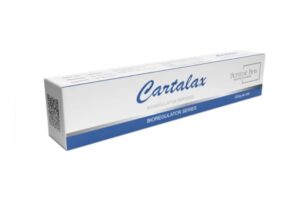
Cartalax (Bioregulator Petide) – R 1300
Description
Cartalax is a synthetic tripeptide with the amino acid sequence Ala-Glu-Asp (AED). This short-chain peptide belongs to the class of Khavinson bioregulator peptides, which are designed to exert highly tissue-specific epigenetic regulation. Cartalax selectively targets chondrocytes, fibroblasts, and extracellular matrix–producing cells in cartilage and connective tissues.
Mechanism of Action
Cartalax modulates gene expression at the chromatin level in target cells of the musculoskeletal system. It interacts with nuclear regulatory proteins and epigenetic modifiers to normalize transcription of genes involved in:
Chondrocyte proliferation and differentiation
Synthesis of collagen, proteoglycans, and glycosaminoglycans
Inhibition of catabolic enzymes (e.g., matrix metalloproteinases)
Reduction of pro-inflammatory cytokine signalling
Maintenance of extracellular matrix homeostasis
These actions support structural integrity, functional restoration, and regenerative capacity of cartilage, joints, ligaments, and connective tissues.
Indications & Usage
Cartalax is used to support joint, cartilage, and connective tissue health. It is indicated for:
Maintenance of cartilage integrity and joint function
Assistance during age–related decline in musculoskeletal resilience
Support for recovery from physical stress, repetitive strain, or environmental factors affecting joints and connective tissues
General tissue regeneration and anti-aging support in the locomotor system
Contraindications & Warnings
Do not use if you have:
Known hypersensitivity to any component of the formulation
Active malignancy or suspected cancer in musculoskeletal tissues
Severe uncontrolled inflammatory joint disease or acute infection Age under 18 years
Pregnancy or breastfeeding
Warnings
Use only under medical supervision.
Not a substitute for standard medical treatment of arthritis, injury, or degenerative joint conditions.
Discontinue immediately and seek medical attention if unusual symptoms occur (e.g., severe joint swelling, fever, or signs of infection).
Dosage & Administration
Subcutaneous injection only.
Low Dose (0.5 mg): 6 clicks daily- maintenance and general joint/cartilage support (yields 40 doses) Moderate Dose (1 mg): 12 clicks daily- moderate wellness and strain relief (yields 20 doses)
High Dose (2 mg): 24 clicks daily-intensive recovery and targeted cartilage/joint benefits (yields 10 doses)
Frequency: Once daily
Timing: Morning on an empty stomach or as directed by your healthcare provider
Administration Instructions
Wash hands and prepare a clean surface.
Attach a sterile needle.
Dial the required number of clicks.
Clean injection site (abdomen or upper thigh) with alcohol swab.
Insert needle at 45-90° angle and inject slowly.
Withdraw needle, dispose safely, and cap the pen.
Rotate injection sites to minimize irritation.
Always inspect solution before use: Do not inject if cloudy, discoloured, or containing particles.
Side Effects
Cartalax is generally well tolerated. Reported reactions are rare and mild, including:
Transient injection-site redness, itching, or mild swelling
Headache or light-headedness (usually resolves quickly)
Temporary fatigue or changes in energy levels during initial days
Rare gastrointestinal upset
If any severe or persistent symptoms occur, discontinue use and contact your healthcare provider immediately.
Storage & Handling
Store either in refrigerator (fridge); never freeze or in a cool dry place (≤25-30°C / 77-86°F). Keep pen capped and protected from light and heat.
After first use: Same storage conditions.
Keep out of reach of children.
Discard if expired or solution appears abnormal.
Powered by Precision MSSPT
Peptide Pen formulations set the standard for research peptide delivery in challenging environments. Powered by exclusive MSSPT, each pen combines buffers, antioxidants, and proprietary agents in a compact, user-friendly injector-delivering strict control over pH, light, oxygen, oxidative factors, and moisture even under South Africa’s subtropical variability or the UAE’s extreme desert heat and humidity. This proprietary technology positions Peptide Pen as the premier choice for researchers in these regions: no mixing, no guesswork, and reliable, high-fidelity results despite demanding protocols and climates. Every Peptide Pen is built for exceptional durability, reliability, and performance-providing precision molecular stabilization in every dose, wherever your research takes you.
IMPORTANT NOTICE
This product is not intended to diagnose, treat, cure, or prevent any disease. Statements have not been evaluated by the FDA, SAHPRA, or other authorities. Always consult a licensed healthcare provider before use, especially if pregnant, breastfeeding, under 18, or managing medical conditions.
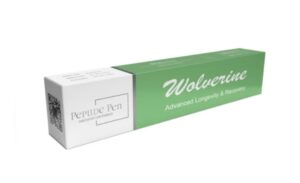
MSSPT PEPTIDE PEN WOLVERINE – R 1600
Description
Wolverine combines two highly regarded synthetic peptides with complementary tissue- protective and regenerative properties:
BPC-157 (Body Protection Compound–157): A synthetic pentadecapeptide derived from a protective gastric protein. Sequence: Gly-Glu-Pro-Pro-Pro-Gly-Lys-Pro-Ala-Asp-Asp-Ala-Gly-Leu-Val (GEPPPGKPADDAGLV).
TB–500 (Thymosin Beta-4 active fragment): A synthetic version of the active domain of Thymosin Beta–4, a 43-amino- acid actin-sequestering protein. Key active sequence: Ac-Leu-Lys-Lys-Thr-Glu-Thr-Gln (Ac-LKKTETQ).
Mechanism of Action
BPC-157 exerts broad cytoprotective, angiogenic, and anti-inflammatory effects. It upregulates VEGF and nitric oxide pathways to promote angiogenesis, enhances fibroblast migration and collagen deposition, modulates growth factors (FGF, EGF), protects endothelial integrity, counteracts NSAID-induced damage, and accelerates tendon, ligament, muscle, and gastrointestinal healing via multiple overlapping pathways.
TB-500 promotes actin sequestration and polymerization, facilitating cell migration, angiogenesis, wound healing, and tissue repair. It reduces inflammation, inhibits apoptosis, enhances extracellular matrix remodelling, and supports regeneration in muscle, tendon, ligament, skin, and corneal tissues.
The combination synergistically accelerates soft-tissue repair, reduces inflammation, improves vascularization, enhances extracellular matrix quality, and supports rapid functional recovery across musculoskeletal, connective, and dermal systems.
Indications & Usage
Wolverine is used to support accelerated tissue healing and regenerative processes. It is indicated for:
Promotion of healing in muscles, tendons, ligaments, and joints
Reduction of inflammation and support for recovery from soft-tissue injuries
Assistance in recovery from repetitive strain, overuse, or surgical interventions
Maintenance of connective tissue integrity and anti-inflammatory support
Contraindications & Warnings
Do not use if you have:
Known hypersensitivity to BPC-157, TB-500, or any excipient
Active malignancy or history of cancer (theoretical concern regarding pro-angiogenic properties)
Severe uncontrolled bleeding disorders or acute thrombosis
Pregnancy or breastfeeding
Age under 18 years
Warnings
Use only under medical supervision.
Not a substitute for standard medical or surgical treatment of injuries, fractures, or inflammatory conditions.
Discontinue immediately and seek medical attention if unusual symptoms occur (e.g., severe swelling, fever, or signs of infection/allergic reaction).
Avoid concurrent use with other strong pro–angiogenic agents unless under specialist guidance.
Dosage & Administration
Subcutaneous injection only.
Standard Dose: 6 clicks per dose (~250 mcg total actives: ~125 mcg BPC-157 + 125 mcg TB-500)
Timing: 30-60 minutes before bedtime or as directed by your healthcare provider
Frequency: Once per night
Usage Protocol: Best results occur with consistent nightly use over a 4-6 week cycle
Administration Instructions
Wash hands and prepare a clean surface.
Attach a sterile needle.
Dial 6 clicks.
Clean injection site (abdomen or near target area) with alcohol swab.
Insert needle at 45-90° angle and inject slowly.
Withdraw needle, dispose safely, and cap the pen.
Rotate injection sites to minimize irritation (near injury site if localized effect desired).
Always inspect solution before use: Do not inject if cloudy, discoloured, or containing particles.
Side Effects
Wolverine is generally well tolerated. Reported reactions are uncommon and usually mild/transient, including:
Mild injection-site irritation, redness, or itching
Transient headache or light-headedness
Temporary fatigue or changes in energy levels during initial days
Rare mild gastrointestinal discomfort
If any severe or persistent symptoms occur (e.g., severe pain, swelling, or allergic signs), discontinue use and contact your healthcare provider immediately.
Storage & Handling
Store either in refrigerator (fridge); never freeze or in a cool dry place (≤25-30°C / 77-86°F).
Keep pen capped and protected from light and heat.
After first use: Same storage conditions.
Keep out of reach of children.
Discard if expired or solution appears abnormal.
Powered by Precision MSSPT
Peptide Pen formulations set the standard for research peptide delivery in challenging environments. Powered by exclusive MSSPT, each pen combines buffers, antioxidants, and proprietary agents in a compact, user-friendly injector, delivering strict control over pH, light, oxygen, oxidative factors, and moisture even under South Africa’s subtropical variability or the UAE’s extreme desert heat and humidity. This proprietary technology positions Peptide Pen as the premier choice for researchers in these regions: no mixing, no guesswork, and reliable, high-fidelity results despite demanding protocols and climates. Every Peptide Pen is built for exceptional durability, reliability, and performance, providing precision molecular stabilization in every dose, wherever your research takes you.
IMPORTANT NOTICE
This product is not intended to diagnose, treat, cure, or prevent any disease. Statements have not been evaluated by the FDA, SAHPRA, or other authorities. Always consult a licensed healthcare provider before use, especially if pregnant, breastfeeding, under 18, or managing medical conditions.
MSSPT PEPTIDE PEN RESA LEA 3 – R 3800
Description
Tesamorelin is a synthetic analog of growth hormone-releasing hormone (GHRH) consisting of 44 amino acids with a trans-3-hexenoyl group attached to the N-terminal tyrosine. Chemical name: trans-3-hexenoyl-Tyr–Ala-Asp-Ala-Ile-Phe- Thr–Asn–Ser–Tyr-Arg–Lys-Val-Leu-Ala-Gln–Leu–Ser–Ala–Arg–Lys-Leu-Leu-Gln-Asp-lle-Met-Ser–Arg–Gln–Gln-Gly-Glu-Ser- Asn-Gln-Glu-Arg-Gly-Ala-Arg-Ala-Arg-Leu-NH2. Molecular weight ≈5135 Da. It is a stabilized GHRH(1-44) analog designed to resist enzymatic degradation (particularly by dipeptidyl peptidase IV) while retaining full biological activity at the pituitary GHRH receptor.
Mechanism of Action
Tesamorelin binds with high affinity to the GHRH receptor on somatotroph cells in the anterior pituitary, stimulating pulsatile secretion of endogenous growth hormone (GH). This leads to:
Increased circulating IGF-1 levels
Enhanced lipolysis in visceral adipose tissue (via hormone–sensitive lipase activation)
Reduced hepatic triglyceride synthesis and VLDL secretion
Mild anabolic effects on lean tissue without significant impact on glucose homeostasis at therapeutic doses
Unlike exogenous recombinant GH, Tesamorelin preserves physiological pulsatile GH secretion and feedback regulation via IGF–1.
Indications & Usage
Tesa Lea3 (Tesamorelin) is used to support reduction of visceral adipose tissue and improvement in metabolic parameters. It is indicated for:
Reduction of excess abdominal fat accumulation
Support for body composition optimization (decrease in visceral fat while preserving lean mass)
Assistance in metabolic health during age–related or treatment–associated fat redistribution
General support for lipid profile and visceral fat–related wellness
Contraindications & Warnings
Do not use if you have:
Known hypersensitivity to tesamorelin, mannitol, or any excipient
Active malignancy or history of cancer (active neoplastic disease)
Pregnancy or breastfeeding
Children or adolescents (not indicated)
Severe hepatic impairment (Child-Pugh C)
Known pituitary tumour or intracranial lesion
Warnings
Use only under medical supervision with regular monitoring (IGF-1, glucose, lipids, and clinical parameters).
Increased risk of glucose intolerance, new-onset diabetes, or worsening of pre–existing diabetes.
Potential for fluid retention, arthralgia, myalgia, or carpal tunnel syndrome (usually transient). Rare risk of intracranial hypertension or hypersensitivity reactions.
Not a substitute for lifestyle interventions or approved therapies for metabolic disorders.
Discontinue immediately and seek medical attention if severe symptoms occur (e.g., severe headache with visual changes, severe abdominal pain, or signs of allergic reaction).
Dosage & Administration
Goal
Suggested Dose
Clicks
Mild GH pulse / longevity
1 mg
~5 clicks
Standard body composition
2 mg
~10 clicks
Aggressive protocol
3 mg
~14–15 clicks
Frequency: Once daily.
Timing: Preferably at bedtime on an empty stomach or as directed by your healthcare provider.
Administration Instructions
Wash hands and prepare a clean surface.
Attach a sterile needle.
Dial the required number of clicks.
Clean injection site (abdomen) with alcohol swab
Insert needle at 45-90° angle and inject slowly.
Withdraw needle, dispose safely, and cap the pen.
Rotate injection sites (abdomen) daily to minimize irritation.
Always inspect solution before use: Do not inject if cloudy, discoloured, or containing particles.
Side Effects
Tesamorelin is generally well tolerated at therapeutic doses. Common or potential adverse reactions include:
Rare: Carpal tunnel syndrome, elevated liver enzymes, or gynecomastia
Most reactions are mild to moderate and decrease over time.
If severe or persistent symptoms occur, discontinue use and contact your healthcare provider immediately.
Storage & Handling
Store either in refrigerator (fridge); never freeze or in a cool dry place (≤25-30°C/77-86°F).
Keep pen capped and protected from light and heat.
After first use: Same storage conditions.
Keep out of reach of children.
Discard if expired or solution appears abnormal.
Powered by Precision MSSPT
Peptide Pen formulations set the standard for research peptide delivery in challenging environments. Powered by exclusive MSSPT, each pen combines buffers, antioxidants, and proprietary agents in a compact, user-friendly injector, delivering strict control over pH, light, oxygen, oxidative factors, and moisture even under South Africa’s subtropical variability or the UAE’s extreme desert heat and humidity. This proprietary technology positions Peptide Pen as the premier choice for researchers in these regions: no mixing, no guesswork, and reliable, high-fidelity results despite demanding protocols and climates. Every Peptide Pen is built for exceptional durability, reliability, and performance- providing precision molecular stabilization in every dose, wherever your research takes you.
IMPORTANT NOTICE
This product is not intended to diagnose, treat, cure, or prevent any disease. Statements have not been evaluated by the FDA, SAHPRA, or other authorities. Always consult a licensed healthcare provider before use, especially if pregnant, breastfeeding, under 18, or managing medical conditions.
MSSPT PEPTIDE PEN SLUPP – R 1250
Description
SLU-PP-332 is a first-in-class synthetic small-molecule pan-agonist of estrogen-related receptors (ERRA, ERRẞ, and ERRY). It is a non-steroidal, non-endocrine-disrupting compound belonging to the class of ERR agonists. Chemical name: 4-hydroxy-N-(4-(2-(4-hydroxyphenyl)propan-2-yl)phenyl)benzamide (or structural analog thereof; exact proprietary structure is patented by Saint Louis University). SLU-PP-332 is orally bioavailable, metabolically stable, and designed to selectively activate ERRS without binding classical estrogen receptors (ERa/ERẞ).
Mechanism of Action
SLU-PP-332 binds directly to the ligand-binding domain of ERRA, ERRẞ, and ERRY, inducing conformational changes that promote coactivator recruitment (e.g., PGC-1a) and transcriptional activation of ERR target genes. Key downstream effects include:
Upregulation of mitochondrial biogenesis and oxidative phosphorylation genes
Increased expression of fatty acid oxidation enzymes and mitochondrial uncoupling proteins
Enhanced type I (slow-twitch, oxidative) muscle fibre gene programs
Improved exercise endurance capacity and metabolic flexibility
Activation of energy expenditure pathways independent of classical estrogen signalling
The compound induces an “exercise-like” molecular signature in skeletal muscle, liver, adipose tissue, and brain, mimicking many of the metabolic adaptations seen with chronic physical training.
Indications & Usage
SLU-PP-332 is used to support mitochondrial function, metabolic health, and exercise-like adaptations. It is indicated for:
Enhancement of mitochondrial biogenesis and cellular energy production
Promotion of fat oxidation, metabolic efficiency, and insulin sensitivity
Support for endurance capacity, muscle oxidative phenotype, and recovery from metabolic stress
Assistance in age-related or inactivity-related decline in mitochondrial and metabolic performance
Contraindications & Warnings
Do not use if you have:
Known hypersensitivity to SLU-PP-332 or any excipient
Active malignancy (theoretical concern regarding enhanced cellular metabolism)
Severe uncontrolled hepatic or renal impairment
Pregnancy or breastfeeding
Age under 18 years
Warnings
Use only under medical supervision with periodic monitoring (glucose metabolism, liver function, lipid profile, and clinical parameters).
Not a substitute for physical exercise, diet, or approved therapies for metabolic disorders.
High doses may cause transient gastrointestinal discomfort, flushing, or changes in energy levels.
Discontinue immediately and seek medical attention if severe symptoms occur (e.g., severe abdominal pain, allergic reaction, or unexpected neurological changes).
Dosage & Administration
Subcutaneous injection only.
Standard Dose: 1.3 mg per injection (full pen content per dose; typically, 240 clicks = 1.3 mg)
Frequency: Once daily or 3-5 times per week (depending on protocol and tolerance)
Timing: Morning or pre–activity to maximize energy and metabolic effects
Cycle: Typically, 4-12 weeks on, followed by 4 weeks off to maintain efficacy
Administration Instructions
Wash hands and prepare a clean surface.
Attach a sterile needle.
Dial the required number of clicks (full dose = 240 clicks for 1.3 mg).
Clean injection site (abdomen or thigh) with alcohol swab.
Insert needle at 45-90° angle and inject slowly.
Withdraw needle, dispose safely, and cap the pen.
Rotate injection sites to minimize irritation.
Always inspect solution before use: Do not inject if cloudy, discoloured, or containing particles.
Side Effects
SLU-PP-332 is generally well tolerated in preclinical models. Human data are limited; potential adverse reactions may include:
Mild injection-site irritation, redness, or itching
Rare fatigue or changes in energy levels during initial use
If any severe or persistent symptoms occur (e.g., severe headache, abdominal pain, or allergic signs), discontinue use and contact your healthcare provider immediately.
Storage & Handling
Store either in refrigerator (fridge); never freeze or in a cool dry place (≤25-30°C/77-86°F).
Keep pen capped and protected from light and heat.
After first use: Same storage conditions.
Keep out of reach of children.
Discard if expired or solution appears abnormal.
Powered by Precision MSSPT
Peptide Pen formulations set the standard for research peptide delivery in challenging environments. Powered by exclusive MSSPT, each pen combines buffers, antioxidants, and proprietary agents in a compact, user-friendly injector, delivering strict control over pH, light, oxygen, oxidative factors, and moisture even under South Africa’s subtropical variability or the UAE’s extreme desert heat and humidity. This proprietary technology positions Peptide Pen as the premier choice for researchers in these regions: no mixing, no guesswork, and reliable, high-fidelity results despite demanding protocols and climates. Every Peptide Pen is built for exceptional durability, reliability, and performance- providing precision molecular stabilization in every dose, wherever your research takes you.
IMPORTANT NOTICE
This product is not intended to diagnose, treat, cure, or prevent any disease. Statements have not been evaluated by the FDA, SAHPRA, or other authorities. Always consult a licensed healthcare provider before use, especially if pregnant, breastfeeding, under 18, or managing medical conditions.
MSSPT PEPTIDE PEN SKIN GLOW – R 1250
Description
GHK–Cu (Glycyl-L-Histidyl-L-Lysine Copper) is a naturally occurring tripeptide-copper complex present in human plasma, saliva, and urine. Its chemical structure is Gly–His-Lys-Cu2+, where the tripeptide backbone (glycine-histidine- lysine) coordinates a Cu(II) ion via the histidine imidazole nitrogen, the lysine ε-amino group, and the N-terminal amine. The copper ion is essential for biological activity
Mechanism of Action
GHK–Cu exerts broad regenerative, anti-inflammatory, and tissue-remodeling effects through multiple pathways: Copper delivery to enzymes (lysyl oxidase, superoxide dismutase) enhanced collagen/elastin cross-linking and antioxidant defense Modulation of >4,000 genes (upregulation of repair/remodelling genes; downregulation of pro–inflammatory and matrix- degrading genes)
Stimulation of fibroblast proliferation, glycosaminoglycan and proteoglycan synthesis, and angiogenesis (via VEGF and FGF pathways)
Suppression of NF-kB and pro-inflammatory cytokines (TNF-a, IL-6)
Inhibition of MMPs (matrix metalloproteinases) and stimulation of TIMPS (tissue inhibitors of metalloproteinases) Promotion of keratinocyte migration, wound contraction, and extracellular matrix reorganization
These actions collectively accelerate skin repair, improve barrier function, increase dermal thickness/elasticity, reduce inflammation, and counteract photoaging and chronological skin degeneration.
Indications & Usage
Skin Glow (GHK-Cu) is used to support skin health, repair, and rejuvenation. It is indicated for:
Promotion of collagen and elastin synthesis, skin firmness, and elasticity
Acceleration of wound healing and tissue remodelling
Reduction of inflammation and oxidative damage in skin
Improvement in skin barrier function, hydration, and overall appearance
Support for recovery from environmental stress, photoaging, or minor skin trauma
Contraindications & Warnings
Do not use if you have:
Known hypersensitivity to GHK-Cu, copper, or any excipient
Active malignancy or history of copper-related disorders (e.g., Wilson’s disease)
Severe uncontrolled inflammatory skin conditions or open wounds at injection sites
Pregnancy or breastfeeding
Age under 18 years
Warnings
Use only under medical supervision.
Not a substitute for standard dermatological care, sunscreen use, or approved anti-aging therapies. Avoid injection into inflamed, infected, or broken skin.
Discontinue immediately and seek medical attention if severe symptoms occur (e.g., widespread rash, swelling, breathing difficulty, or signs of copper toxicity).
Dosage & Administration
Subcutaneous injection only.
Standard Dose: 5 mg (12 clicks) once daily
(1 click≈ 0.417 mg/417 mcg GHK–Cu)
Alternative/Higher Dose (if tolerated): Up to 10 mg (24 clicks) daily
Frequency: Once daily
Timing: Morning, on an empty stomach (wait 30-60 minutes before eating) to optimize absorption
Cycle: 20 consecutive days on, followed by 2 weeks off (repeat as needed)
Administration Instructions
Wash hands and prepare a clean surface.
Attach a sterile needle.
Dial the required number of clicks (e.g., 12 clicks = 5 mg).
Clean injection site (abdomen or thigh) with alcohol swab.
Insert needle at 45-90° angle and inject slowly.
Withdraw needle, dispose safely, and cap the pen.
Rotate injection sites to minimize irritation.
Always inspect solution before use: Do not inject if cloudy, discoloured, or containing particles.
Side Effects
GHK–Cu is generally well tolerated. Reported reactions are uncommon and usually mild/transient, including:
Mild injection-site irritation, redness, or itching
Transient headache or light–headedness
Temporary metallic taste or mild nausea
Rare skin flushing or changes in energy levels during initial use
If any severe or persistent symptoms occur (e.g., widespread rash, swelling, breathing difficulty, or signs of copper overload), discontinue use and contact your healthcare provider immediately.
Storage & Handling
Store either in refrigerator (fridge); never freeze or in a cool dry place (≤25-30°C / 77-86°F).
Keep pen capped and protected from light and heat.
After first use: Same storage conditions.
Keep out of reach of children.
Discard if expired or solution appears abnormal.
Powered by Precision MSSPT
Peptide Pen formulations set the standard for research peptide delivery in challenging environments. Powered by exclusive MSSPT, each pen combines buffers, antioxidants, and proprietary agents in a compact, user-friendly injector, delivering strict control over pH, light, oxygen, oxidative factors, and moisture even under South Africa’s subtropical variability or the UAE’s extreme desert heat and humidity. This proprietary technology positions Peptide Pen as the premier choice for researchers in these regions: no mixing, no guesswork, and reliable, high-fidelity results despite demanding protocols and climates. Every Peptide Pen is built for exceptional durability, reliability, and performance- providing precision molecular stabilization in every dose, wherever your research takes you.
IMPORTANT NOTICE
This product is not intended to diagnose, treat, cure, or prevent any disease. Statements have not been evaluated by the FDA, SAHPRA, or other authorities. Always consult a licensed healthcare provider before use, especially if pregnant, breastfeeding, under 18, or managing medical conditions.
MSSPT PEPTIDE PEN NMN – R 1400
Description
Nicotinamide Mononucleotide (NMN) is a nucleotide derived from ribose, nicotinamide, nicotinamide riboside, and niacin (vitamin B3). Its chemical structure is C,,H15N2OP, consisting of a nicotinamide moiety linked to a ribose sugar phosphorylated at the 5‘ position. NMN is the direct precursor to nicotinamide adenine dinucleotide (NAD), a critical coenzyme found in every cell.
Mechanism of Action
NMN is rapidly taken up by cells via the Slc12a8 transporter (in small intestine and other tissues) and converted to NAD* through the salvage pathway, primarily by nicotinamide mononucleotide adenylyl transferases (NMNAT1-3). Elevated NAD* levels activate key NAD+-dependent enzymes:
Sirtuins (SIRT1-7) epigenetic regulation, DNA repair, mitochondrial biogenesis, inflammation control, and longevity pathways
PARPS → DNA damage repair and genomic stability
CD38/CD157 → calcium signalling and immune modulation
The net result is enhanced mitochondrial function, increased energy production (ATP), improved metabolic flexibility, reduced oxidative stress, better insulin sensitivity, and activation of cellular repair and anti aging mechanisms.
Indications & Usage
NMN is used to support cellular energy metabolism, mitochondrial health, and age–related physiological processes. It is indicated for:
Promotion of NAD+ levels and cellular energy production
Support for mitochondrial function, metabolic efficiency, and insulin sensitivity
Assistance during age-related decline in vitality, endurance, and recovery capacity
General support for healthy aging, cognitive resilience, and physical performance
Contraindications & Warnings
Do not use if you have:
Known hypersensitivity to NMN or any excipient
Active malignancy (theoretical concern regarding enhanced cellular metabolism) Severe uncontrolled liver or kidney disease
Pregnancy or breastfeeding
Age under 18 years
Warnings
Use only under medical supervision with periodic monitoring (liver function, glucose metabolism, and clinical parameters).
Not a substitute for lifestyle interventions or approved therapies for metabolic or age–related conditions.
High doses may cause transient flushing or gastrointestinal discomfort.
Discontinue immediately and seek medical attention if severe symptoms occur (e.g., severe abdominal pain, allergic reaction, or unexpected neurological changes).
Dosage & Administration
Subcutaneous injection only.
Daily Wellness / Longevity: 3-4 clicks daily in the morning (18.75-25 mg NMN)
Rare fatigue or changes in energy levels during initial use
If any severe or persistent symptoms occur (e.g., severe headache, abdominal pain, or allergic signs), discontinue use and contact your healthcare provider immediately.
Storage & Handling
Store either in refrigerator (fridge); never freeze or in a cool dry place (≤25-30°C / 77-86°F). Keep pen capped and protected from light and heat.
After first use: Same storage conditions.
Keep out of reach of children.
Discard if expired or solution appears abnormal.
Powered by Precision MSSPT
Peptide Pen formulations set the standard for research peptide delivery in challenging environments. Powered by exclusive MSSPT, each pen combines buffers, antioxidants, and proprietary agents in a compact, user-friendly injector delivering strict control over pH, light, oxygen, oxidative factors, and moisture even under South Africa’s subtropical variability or the UAE’s extreme desert heat and humidity. This proprietary technology positions Peptide Pen as the premier choice for researchers in these regions: no mixing, no guesswork, and reliable, high-fidelity results despite demanding protocols and climates. Every Peptide Pen is built for exceptional durability, reliability, and performance, providing precision molecular stabilization in every dose, wherever your research takes you.
IMPORTANT NOTICE
This product is not intended to diagnose, treat, cure, or prevent any disease. Statements have not been evaluated by the FDA, SAHPRA, or other authorities. Always consult a licensed healthcare provider before use, especially if pregnant, breastfeeding, under 18, or managing medical conditions.
MSSPT PEPTIDE PEN NIGHT SURGE – R 1500
Description
Night Surge combines two synergistic growth hormone secretagogues:
CJC-1295 (No DAC): A synthetic tetrasubstituted analog of growth hormone-releasing hormone (GHRH) designed to stimulate the natural release of growth hormone from the pituitary gland. The peptide contains four amino acid substitutions that enhance stability and resistance to enzymatic degradation while maintaining its ability to bind to GHRH receptors. Sequence: H-Tyr-D-Ala-Asp-Ala-Ile-Phe-Thr-Asn-Ser-Tyr-Arg-Lys-Val-Leu-Ala-Gln-Leu-Ser-Ala-Arg-Lys-Leu-Leu-Gln-Asp-Ile-Leu-Ser-Arg-NH₂.
Ipamorelin: A selective pentapeptide ghrelin mimetic and growth hormone secretagogue that stimulates growth hormone release while minimizing effects on cortisol and prolactin. Sequence: Aib-His-D-2-Nal-D-Phe-Lys-NH₂ (Aib = 2-aminoisobutyric acid).
Mechanism of Action
CJC–1295 binds to GHRH receptors on pituitary somatotrophs, stimulating prolonged, pulsatile release of endogenous growth hormone (GH) while preserving physiological feedback regulation. The DAC modification extends its half-life to several days, allowing sustained GH pulses.
Ipamorelin acts as a ghrelin receptor (GHSR-1a) agonist, triggering acute GH release via the pituitary without significant effects on cortisol, prolactin, ACTH, or appetite.
The combination produces additive or synergistic GH pulses: CJC-1295 provides sustained baseline elevation, while Ipamorelin generates sharp nocturnal peaks. This mimics youthful GH secretion patterns, promoting nocturnal tissue repair, protein synthesis, lipolysis, and recovery during sleep.
Indications & Usage
Night Surge is used to support physiological growth hormone release and nocturnal recovery. It is indicated for:
Enhancement of deep restorative sleep and sleep–associated tissue repair
Promotion of muscle recovery, protein synthesis, and connective tissue remodelling
Support for fat metabolism and body composition during rest
Assistance in age–related decline of natural GH secretion and recovery capacity
Contraindications & Warnings
Do not use if you have:
Known hypersensitivity to CJC-1295, Ipamorelin, or any excipient
Active malignancy or history of cancer (GH/IGF-1 axis stimulation concern)
Severe uncontrolled diabetes mellitus or proliferative diabetic retinopathy
Intracranial lesion or pituitary tumor
Pregnancy or breastfeeding
Age under 18 years
Warnings
Use only under medical supervision with periodic monitoring (IGF-1, glucose, HbA1c, clinical parameters).
Not a substitute for standard medical treatment of sleep disorders, metabolic conditions, or recovery needs.
Potential for glucose intolerance, fluid retention, or carpal tunnel symptoms (usually transient).
Discontinue immediately and seek medical attention if severe symptoms occur (e.g., severe headache with visual changes, severe abdominal pain, or signs of allergic reaction).
Dosage & Administration
Subcutaneous injection only.
Standard Dose Range: 400-500 mcg total blend per injection (~200-250 mcg each peptide)
400 mcg total≈ 10 clicks
500 mcg total≈ 12 clicks
Frequency: Once daily, 5-7 nights per week (e.g., 5 on/2 off for recovery protocols)
Timing: Evening/bedtime (ideally 1-2 hours after last meal, on empty stomach) to align with natural nocturnal GH surge
Cycle Length: 8-16 weeks on (often 12 weeks for sustained protocols), followed by 4 weeks off to maintain pituitary sensitivity
Administration Instructions
Wash hands and prepare a clean surface.
Attach a sterile needle.
Dial the required number of clicks.
Clean injection site (abdomen or thigh) with alcohol swab.
Insert needle at 45-90° angle and inject slowly.
Withdraw needle, dispose safely, and cap the pen.
Rotate injection sites to minimize irritation.
Always inspect solution before use: Do not inject if cloudy, discoloured, or containing particles.
Side Effects
The combination is generally well tolerated. Reported reactions are uncommon and usually mild/transient, including:
Mild injection-site irritation, redness, or itching
Transient headache, light-headedness, or flushing
Temporary water retention or joint stiffness (dose–related)
Rare mild gastrointestinal discomfort or changes in appetite
Rare transient elevation in blood glucose or insulin resistance markers
If any severe or persistent symptoms occur (e.g., severe headache with visual changes, severe abdominal pain, or allergic signs), discontinue use and contact your healthcare provider immediately.
Storage & Handling
Store either in refrigerator (fridge); never freeze or in a cool dry place (≤25-30°C / 77-86°F). Keep pen capped and protected from light and heat.
After first use: Same storage conditions.
Keep out of reach of children.
Discard if expired or solution appears abnormal.
Powered by Precision MSSPT
Peptide Pen formulations set the standard for research peptide delivery in challenging environments. Powered by exclusive MSSPT, each pen combines buffers, antioxidants, and proprietary agents in a compact, user-friendly injector, delivering strict control over pH, light, oxygen, oxidative factors, and moisture even under South Africa’s subtropical variability or the UAE’s extreme desert heat and humidity. This proprietary technology positions Peptide Pen as the premier choice for researchers in these regions: no mixing, no guesswork, and reliable, high-fidelity results despite demanding protocols and climates. Every Peptide Pen is built for exceptional durability, reliability, and performance- providing precision molecular stabilization in every dose, wherever your research takes you.
IMPORTANT NOTICE
This product is not intended to diagnose, treat, cure, or prevent any disease. Statements have not been evaluated by the FDA, SAHPRA, or other authorities. Always consult a licensed healthcare provider before use, especially if pregnant, breastfeeding, under 18, or managing medical conditions.
MSSPT PEPTIDE PEN NERVE REPAIR – R 1650
Description ARA-290 (Cibinetide) is a synthetic 11-amino-acid peptide derived from erythropoietin (EPO). It selectively activates the innate repair receptor (IRR) without stimulating red blood cell production.Chemical Structure Sequence: Pyr-Glu-Gln-Leu-Glu-Arg-Ala-Leu-Asn-Ser-Ser (pyroglutamate at N-terminus).Mechanism of Action ARA-290 binds to the tissue-protective IRR complex (EPOR + βcR), triggering potent anti-inflammatory, anti-apoptotic, and regenerative signalling in nerves and other tissues. It promotes:
Axonal repair, remyelination, and nerve regeneration
Reduction of neuropathic pain and neuroinflammation
Improvement of microvascular function and tissue oxygenation
Activation of protective pathways (JAK2/STAT3, PI3K/Akt) while avoiding hematopoietic effects
Indications & Usage Nerve Repair (ARA-290 / Cibinetide) is used to support nerve regeneration and neuropathic recovery. It is indicated for:
Promotion of peripheral nerve repair and regeneration
Reduction of neuropathic pain and neuroinflammation
Support for recovery from nerve injury, compression, diabetic neuropathy, or post-surgical nerve damage
Assistance in tissue protection and functional recovery
Contraindications & Warnings Do not use if you have:
Known hypersensitivity to ARA-290 or any excipient
Active malignancy or history of cancer
Severe uncontrolled cardiovascular disease
Pregnancy or breastfeeding
Age under 18 years
Warnings
Use only under medical supervision with appropriate monitoring.
Not a substitute for standard medical or surgical treatment of neuropathy or nerve injury.
Monitor for changes in pain levels or neurological function.
Discontinue immediately and seek medical attention if severe symptoms occur (e.g., worsening neurological deficits or allergic reaction).
Dosage & Administration
Subcutaneous injection only.
Standard Dose: 2–4 mg (10–19 clicks) per injection (common research range scaled for 50 mg pen)
Frequency: Once daily or every other day
Timing: Consistent daily timing (evening preferred for nerve recovery)
Cycle: Typically 4–8 weeks on, followed by 2–4 weeks off
Administration Instructions:
Wash hands and prepare a clean surface.
Attach a sterile needle.
Dial your dose (e.g., 12 clicks ≈ 2.5 mg).
Clean injection site (abdomen or thigh) with alcohol swab.
Insert needle at 45–90° angle and inject slowly.
Withdraw needle, dispose safely, and cap the pen.
Rotate injection sites to minimize irritation.
Always inspect solution: Do not inject if cloudy, discoloured, or containing particles.
Side Effects ARA-290 is generally well tolerated. Reported reactions are uncommon and usually mild/transient, including:
Mild injection-site irritation, redness, or itching
Transient headache or light-headedness
Temporary changes in energy levels or mild fatigue
Rare mild gastrointestinal discomfort
If any severe or persistent symptoms occur (e.g., worsening pain, neurological changes, or allergic signs), discontinue use and contact your healthcare provider immediately.
Storage & Handling
Store either in refrigerator (fridge); never freeze or in a cool dry place (≤25–30°C / 77–86°F).
Keep pen capped and protected from light and heat.
After first use: Same storage conditions.
Keep out of reach of children.
Discard if expired or solution appears abnormal.
Powered by Precision MSSPT
Peptide Pen formulations set the standard for research peptide delivery in challenging environments. Powered by exclusive MSSPT, each pen combines buffers, antioxidants, and proprietary agents in a compact, user-friendly injector—delivering strict control over pH, light, oxygen, oxidative factors, and moisture even under South Africa’s subtropical variability or the UAE’s extreme desert heat and humidity. This proprietary technology positions Peptide Pen as the premier choice for researchers in these regions: no mixing, no guesswork, and reliable, high-fidelity results despite demanding protocols and climates. Every Peptide Pen is built for exceptional durability, reliability, and performance—providing precision molecular stabilization in every dose, wherever your research takes you.
IMPORTANT NOTICE
This product is not intended to diagnose, treat, cure, or prevent any disease. Statements have not been evaluated by the FDA, SAHPRA, or other authorities. Always consult a licensed healthcare provider before use, especially if pregnant, breastfeeding, under 18, or managing medical conditions.
MSSPT ANTI-C PEPTITE PEN – R 1800
PNC-27 is a synthetic 32-amino-acid peptide conjugate consisting of the HDM-2-binding domain of p53 (residues 12- 26) fused to the membrane–active portion of the membrane–lytic peptide HDM-2 (residues 17-45) from human cytochrome b562. Chemical Structure:
PNC-27 sequence: H-M-P-F-K-E-T-K-L-L-D-E-L-E-E-I-T-E-L-E-K-L-L-E-E-V-A-K–M-Y-K-E-L-E-K-L-G-S-G-S-G-K-K-K-K-K-K- K-K-K-K-K-K–K–K-K-K-OH The N-terminal p53 domain binds with high affinity to HDM-2 (murine double minute 2, the negative regulator of p53), while the C-terminal poly-lysine segment confers amphipathic a-helical structure and membrane-disrupting activity.
Mechanism of Action
PNC-27 selectively targets cancer cells that overexpress HDM-2 on their surface (a common feature in many solid tumors and leukaemia’s). Binding of the p53 domain to surface HDM- 2 anchors the peptide, allowing the amphipathic C-terminal segment to insert into the cell membrane, forming pores. This induces rapid membrane permeabilization, leakage of intracellular contents, and necrotic cell death specifically in cancer cells. Normal cells express little to no surface HDM-2 and are spared. The peptide does not rely on intracellular p53 pathways, making it potentially effective in p53-mutated or -deleted cancers.
Indications & Usage
Anti-Cancer (PNC-27) is used to support targeted elimination of cancer cells expressing surface HDM-2. It is indicated for investigational use in:
Solid tumors and hematologic malignancies with documented surface HDM-2 overexpression Support for reduction of tumor burden in selected cancer types
Assistance in experimental protocols aimed at selective cancer cell necrosis
Contraindications & Warnings
Do not use if you have:
Known hypersensitivity to PNC-27 or any excipient
Active bleeding disorders or severe thrombocytopenia Uncontrolled infection or sepsis
Pregnancy or breastfeeding
Age under 18 years
Warnings
Use only under strict medical supervision in a clinical or research setting.
Not approved for standard cancer treatment, experimental use only.
Potential for rapid tumor lysis syndrome in patients with high tumor burden.
Monitor closely for signs of systemic inflammatory response, electrolyte disturbances, or renal impairment.
Discontinue immediately and seek emergency medical attention if severe symptoms occur (e.g., high fever, rapid swelling, breathing difficulty, or signs of tumor lysis syndrome).
Dosage & Administration
Subcutaneous injection only (intravenous use has been reported in some protocols but is not standard for this pen formulation).
Standard Investigational Dose: 0.5-1 mg per injection (common range in early studies) 0.5 mg≈ 6 clicks
1 mg 12 clicks
Frequency: Once daily or as directed by your supervising physician/research protocol Timing: Consistent daily timing (morning or evening)
Administration Instructions
Wash hands and prepare a clean surface.
Attach a sterile needle.
Dial the required number of clicks.
Clean injection site (abdomen or thigh) with alcohol swab.
Insert needle at 45-90° angle and inject slowly.
Withdraw needle, dispose safely, and cap the pen.
Rotate injection sites to minimize irritation.
Always inspect solution before use: Do not inject if cloudy, discoloured, or containing particles.
Side Effects
PNC-27 is experimental; human safety data are limited. Reported or potential adverse reactions include:
Rare systemic inflammatory response or cytokine release-like symptoms
If any severe or unexpected symptoms occur (e.g., high fever, rapid swelling, breathing difficulty, or signs of tumor lysis), discontinue use and seek immediate medical attention.
Storage & Handling
Store either in refrigerator (fridge); never freeze or in a cool dry place (≤25-30°C/77-86°F).
Keep pen capped and protected from light and heat.
After first use: Same storage conditions.
Keep out of reach of children.
Discard if expired or solution appears abnormal.
Powered by Precision MSSPT
Peptide Pen formulations set the standard for research peptide delivery in challenging environments. Powered by exclusive MSSPT, each pen combines buffers, antioxidants, and proprietary agents in a compact, user-friendly injector delivering strict control over pH, light, oxygen, oxidative factors, and moisture even under South Africa’s subtropical variability or the UAE’s extreme desert heat and humidity. This proprietary technology positions Peptide Pen as the premier choice for researchers in these regions: no mixing, no guesswork, and reliable, high-fidelity results despite demanding protocols and climates. Every Peptide Pen is built for exceptional durability, reliability, and performance-providing precision molecular stabilization in every dose, wherever your research takes you.
IMPORTANT NOTICE
This product is not intended to diagnose, treat, cure, or prevent any disease. Statements have not been evaluated by the FDA, SAHPRA, or other authorities. Always consult a licensed healthcare provider before use, especially if pregnant, breastfeeding, under 18, or managing medical conditions.