
The UPA Upmag 5mg Self-Mix Vial contains Semaglutide in a lyophilized powder format. Manufactured to high quality standards, this product offers secure packaging, reliable quality, and convenient storage.
About Upmag
Upmag is UPA’s Semaglutide formulation and has gained significant attention within the wellness community. It is commonly associated with vitality support, wellness support, active lifestyles, and overall wellbeing.
Product Information
• Brand: UPA
• Product: Upmag (Semaglutide)
• Strength: 10mg
• Format: Self-Mix Lyophilized Powder Vial
• Packaging: Sealed Vial
Features
• High-purity Semaglutide formulation
• Self-mix vial format
• Premium quality formulation
• Secure packaging
• Easy storage and handling
• Manufactured to high quality standards
Storage
Store according to the manufacturer’s recommendations. Protect from excessive heat, moisture, and direct sunlight.

BP HCG 5000 (Human Chorionic Gonadotropin), available in a 5000iu formulation, is a peptide hormone with diverse medical and therapeutic applications.
Below, we explore the advantages, potential side effects, detailed dosage instructions, and the half-life associated with HCG.
Benefits of HCG (5000iu):
Fertility Treatment: HCG is commonly used in fertility treatments to stimulate ovulation in women and improve sperm production in men. It can be a valuable tool in addressing infertility issues.
Weight Management: HCG has been utilized in certain weight loss programs, often in conjunction with low-calorie diets. It may help reduce appetite and promote fat metabolism, potentially aiding in weight loss.
Testosterone Production: In men, HCG can stimulate the production of testosterone when natural testosterone levels are low due to various factors such as anabolic steroid use.
Dosage Instructions:
Dosage instructions can vary depending on the specific medical condition being treated. Typically, people administer it through subcutaneous injections. Here are general guidelines:
Fertility Treatment: For women, the usual dosage is 5000-10000iu, administered one day after the last day of follicle-stimulating hormone (FSH) treatment. Men may receive injections of 1000-4000iu two to three times a week for several weeks.
Weight Loss Programs: Often administered in lower doses, typically ranging from 125iu to 250iu per day, along with a very low-calorie diet. Typically followed for several weeks.
It is absolutely critical to consult with a qualified healthcare provider for precise dosage instructions tailored to individual health needs and goals.
Side Effects:
HCG 5000, generally considered safe when used under medical supervision, but it may have potential side effects. These side effects can vary depending on the individual and the dosage administered. Common side effects may include:
Injection Site Reactions: Mild irritation, redness, or swelling at the injection site can occur.
Hormonal Changes: HCG may induce hormonal changes, potentially leading to mood swings, breast tenderness, or fluid retention.
Ovarian Hyperstimulation Syndrome (OHSS): In fertility treatments, there is a risk of OHSS, characterized by abdominal pain, swelling, and nausea. This is more common in cases of excessive dosing.
Multiple Pregnancy: In fertility treatments, there is an increased risk of multiple pregnancies, such as twins or triplets.
It’s essential to closely monitor for side effects and report any unusual or severe reactions to a healthcare provider.
Half-Life:
The half-life of HCG 5000 can vary depending on factors such as the route of administration and individual metabolism. Typically, the half-life ranges from 24 to 36 hours. This means that HCG remains active in the body for this duration before its effects begin to diminish.
In conclusion, HCG (5000iu) is a versatile peptide hormone with various medical applications, including fertility treatments and weight management. Generally considered safe when administered under medical supervision. Precise dosage instructions and consultation with a healthcare provider are essential to ensure safe and effective use.

BP Somatropin 100, (10 x 10iu) A synthetic form of human growth hormone (HGH) with well-established medical applications.
Below, we explore the advantages, potential side effects, detailed dosage instructions, and half-life associated with Somatropin.
Benefits of Somatropin (10iu):
Growth Promotion: Somatropin is widely used to stimulate growth in children and adolescents who have growth hormone deficiency. It can increase height and promote overall growth.
Muscle Growth: In adults with growth hormone deficiency, Somatropin may help increase lean muscle mass and reduce body fat, contributing to improved body composition.
Bone Density: Somatropin can enhance bone density and reduce the risk of osteoporosis, particularly in individuals with growth hormone deficiency.
Anti-Aging: Some adults use Somatropin for its potential anti-aging effects, including improved skin elasticity, reduced wrinkles, and increased energy levels.
Dosage Instructions:
Dosage instructions for Somatropin 100 (10 x 10iu) should be determined by a qualified healthcare provider based on individual needs. Typically, people administer it through subcutaneous injections. Here are general guidelines:
Pediatric Growth Hormone Deficiency: For children and adolescents with growth hormone deficiency, the dosage is typically 0.025 to 0.035 mg/kg of body weight per day, divided into daily injections.
Adult Growth Hormone Deficiency: For adults with growth hormone deficiency, the recommended dosage is typically 0.2 to 0.5 mg per day, divided into daily injections.
It is crucial to consult with a healthcare provider for precise dosage instructions tailored to individual health needs.
Side Effects:
Somatropin is generally considered safe when used under medical supervision. However, it may have potential side effects, although these are typically mild and infrequent. Potential side effects may include:
Injection Site Reactions: Mild irritation, redness, or swelling at the injection site can occur.
Joint Pain: Some individuals may experience joint pain, particularly in the early stages of treatment.
Fluid Retention: Fluid retention and edema can occur, but this is less common.
Increased Blood Sugar: Somatropin may lead to elevated blood sugar levels, especially in individuals with diabetes or prediabetes.
It’s essential to closely monitor for side effects and report any unusual or severe reactions to a healthcare provider.
Half-Life:
The half-life of Somatropin can vary depending on factors such as the individual’s metabolism and the administration method. In general, it has a relatively short half-life, estimated to be approximately 2 to 3 hours. As a result, multiple daily injections are often necessary to maintain consistent levels of HGH in the bloodstream.
In conclusion, Somatropin (10iu) is a synthetic form of human growth hormone with established medical applications in promoting growth and addressing growth hormone deficiency. Generally considered safe when administered under medical supervision. Precise dosage instructions and consultation with a healthcare provider are essential for individuals considering Somatropin as part of their treatment regimen.

BP IGF 1LR3 100 mcg (Insulin-Like Growth Factor 1 Long R3), available in a 100mcg formulation, is a synthetic peptide with potential applications in muscle growth, tissue repair, and overall health.
Below, we delve into the advantages, potential side effects, detailed dosage instructions, and half-life associated with IGF-1LR3.
Benefits of IGF-1LR3 (100mcg):
Muscle Growth: IGF-1LR3 is known for its ability to stimulate muscle growth and hypertrophy. It promotes the proliferation of muscle cells and enhances protein synthesis, potentially leading to significant gains in muscle mass.
Tissue Repair: This peptide has been studied for its potential role in tissue repair and regeneration, which can be beneficial for athletes and individuals recovering from injuries.
Anti-Aging Properties: IGF-1LR3 has potential anti-aging effects, including improvements in skin elasticity and reduced wrinkles.
Neuroprotection: Some research suggests that IGF-1LR3 may have neuroprotective properties, potentially aiding in cognitive function and neuronal health.
Dosage Instructions:
Dosage instructions for IGF-1LR3 (100mcg) can vary based on individual goals and healthcare provider recommendations. Typically, people administer it through subcutaneous injections. Here are general guidelines:
Dosage: Common dosages range from 20 to 100mcg per day, divided into multiple injections.
Injection Frequency: Typically, a user administers injections once or twice a day. Some users prefer to administer injections before or after workouts.
Duration of Use: Cycles of IGF-1LR3 use can vary but are often several weeks to months in duration. Prolonged use may require periodic breaks.
It is imperative to consult with a qualified healthcare provider to determine the appropriate dosage and injection schedule tailored to individual health needs and goals.
Side Effects:
IGF-1LR3, generally considered safe when used responsibly and under medical supervision. However, as with any substance, it may have potential side effects, though these are typically mild and infrequent. Potential side effects may include:
Hypoglycemia: IGF-1LR3 can lower blood sugar levels, potentially leading to symptoms of hypoglycemia, such as dizziness, weakness, and confusion. These effects can be managed through dietary choices and careful monitoring.
Injection Site Reactions: Mild irritation, redness, or swelling at the injection site can occur.
Overgrowth: Excessive use of IGF-1LR3 may lead to overgrowth of tissues, including muscles and organs. This risk underscores the importance of responsible dosing and medical supervision.
It’s vital to closely monitor for side effects and report any unusual or severe reactions to a healthcare provider.
Half-Life:
IGF-1LR3 has a significantly extended half-life compared to natural IGF-1, estimated to be approximately 20 to 30 hours. This prolonged half-life allows for less frequent injections while maintaining the peptide’s effects.
In summary, IGF-1LR3 (100mcg) is a synthetic peptide with potential benefits in muscle growth, tissue repair, anti-aging, and neuroprotection. It is generally considered safe when used responsibly and under medical supervision. Precise dosage instructions and consultation with a healthcare provider are essential for individuals considering IGF-1LR3 as part of their regimen.

BP GHRP-6 5 mg (Growth Hormone Releasing Peptide 6). A synthetic peptide known for its potential benefits in stimulating the release of growth hormone.
Below, we explore the advantages, potential side effects, detailed dosage instructions, and half-life associated with GHRP-6.
Benefits of GHRP-6 (5mg):
Stimulated Growth Hormone Release: Specifically designed to stimulate the release of growth hormone (GH) from the pituitary gland. This heightened GH production can offer several potential benefits.
Muscle Growth: Increased GH levels may promote muscle growth and hypertrophy, making it a popular choice among athletes and bodybuilders.
Fat Metabolism: GHRP-6 may aid in fat loss by enhancing the body’s ability to metabolize fat for energy.
Improved Recovery: Users have reported accelerated recovery from intense physical activities or workouts, potentially reducing the risk of overtraining.
Dosage Instructions:
Dosage instructions for GHRP-6 (5mg) can vary based on individual goals and healthcare provider recommendations. Typically, people administer it through subcutaneous injections. Here are general guidelines:
Dosage: Common dosages range from 100 to 300 micrograms (?g) per injection.
Injection Frequency: Often injected 1-4 times a day to maintain elevated GH levels. Some users prefer to administer injections before meals or workouts.
Duration of Use: Cycles of GHRP-6 use can vary but are often several weeks to months in duration.
It is essential to consult with a qualified healthcare provider to determine the appropriate dosage and injection schedule based on individual health needs and goals.
Side Effects:
GHRP-6, generally considered safe and well-tolerated. However, it may have potential side effects, although these are typically mild and infrequent. Potential side effects may include:
Increased Hunger: Users often report an increase in appetite, sometimes referred to as ?ghrelin surge,? after using GHRP-6. This effect can be managed through dietary choices.
Injection Site Reactions: Mild irritation, redness, or swelling at the injection site can occur.
Water Retention: Some individuals have reported mild water retention, which is typically temporary.
It’s important to note that side effects can vary among individuals, and severe adverse effects are rare.
Half-Life:
GHRP-6 has a relatively short half-life, estimated to be approximately 15-60 minutes. As a result, multiple daily injections are often required to maintain consistent GH elevation throughout the day.
In summary, GHRP-6 (5mg) is a peptide with potential benefits in stimulating growth hormone release, promoting muscle growth, fat metabolism, and recovery. It is generally considered safe, with mild and infrequent side effects. Proper dosage instructions and consultation with a healthcare provider are essential for individuals considering GHRP-6 as part of their regimen.

BP Melanotan II 10mg, is a synthetic peptide known for its potential benefits in promoting skin tanning and, to some extent, enhancing sexual arousal.
Below, we explore the advantages, potential side effects, detailed dosage instructions, and half-life associated with Melanotan II.
Benefits of Melanotan II (10mg):
Skin Tanning: It is primarily used to stimulate the production of melanin, the pigment responsible for skin color. This results in a deepening of skin pigmentation, often referred to as a ?tan.? The potential benefits include:
Sunless Tanning: Melanotan II offers a sunless tanning alternative, reducing the need for prolonged sun exposure, which can be harmful to the skin.
UV Protection: The increased melanin production may provide some degree of protection against the harmful effects of ultraviolet (UV) radiation from the sun.
Libido Enhancement: Some users have reported increased sexual arousal and desire as a secondary effect of Melanotan II use.
Dosage Instructions:
Dosage instructions for Melanotan II (10mg) can vary based on individual goals and personal response. Typically, people administer it through subcutaneous injections. Here are general guidelines:
Loading Phase: Many users start with a ?loading phase? to quickly achieve the desired tan. During this phase, they may inject 0.5 to 1mg daily until the desired skin pigmentation is reached.
Maintenance Phase: After achieving the desired tan, users may switch to a ?maintenance phase?. A user can inject 0.5 to 1mg every 2-3 days to maintain the tan.
Libido Enhancement: For libido enhancement, some users may take lower doses (typically 0.1 to 0.5mg). 1-2 hours before anticipated sexual activity.
It is essential to consult with a qualified healthcare provider for precise dosage instructions tailored to individual health needs and goals.
Side Effects:
Melanotan II may have potential side effects, although these can vary among individuals. Some common side effects may include:
Nausea: Some users experience mild nausea, particularly during the loading phase.
Facial Flushing: Flushing or redness of the face and skin can occur, especially during the initial injections.
Appetite Suppression: Melanotan II may temporarily suppress appetite in some individuals.
Darkening of Moles: Existing moles may darken with Melanotan II use, and new moles may appear.
Priapism: In rare cases, men may experience priapism, a prolonged and painful erection. This is a severe side effect that requires immediate medical attention.
Half-Life:
Melanotan II has a relatively short half-life, estimated to be approximately 30 minutes to 2 hours. This means that the body rapidly clears it after administration. Consequently, some users may need to administer multiple daily injections during the loading phase to achieve and maintain the desired tan.
It is essential to use this peptide responsibly and under medical supervision, as individual responses and side effects can vary. Precise dosage instructions and consultation with a healthcare provider are crucial for individuals considering Melanotan II as part of their regimen. Users should be aware that Melanotan II carries potential risks, especially in cases of priapism or excessive UV exposure.

BP TB500 5 mg, is a synthetic peptide renowned for its potential therapeutic benefits in tissue repair, injury recovery, and overall well-being.
Below, we delve into the advantages, potential side effects, detailed dosage instructions, and half-life associated with TB500.
Benefits of TB500 (5mg):
Tissue Repair: Celebrated for its remarkable ability to promote tissue repair and regeneration. This includes muscles, tendons, ligaments, and even skin.
Injury Recovery: Users often turn to TB500 to accelerate the recovery process from various injuries, such as strains, sprains, and overuse injuries.
Reduced Inflammation: TB500 may have anti-inflammatory properties, potentially aiding in reducing inflammation and discomfort associated with injuries.
Improved Flexibility: Some individuals have reported increased flexibility and mobility after TB500 use, particularly in cases of chronic stiffness.
Dosage Instructions:
Dosage instructions for TB500 (5mg) can vary based on individual needs and healthcare provider recommendations. It is typically administered via subcutaneous injections. Here are general guidelines:
Loading Phase: During the initial phase, users may inject 2.5 to 5mg per week for four to six weeks to achieve desired results. This phase is often referred to as the ?loading phase.?
Maintenance Phase: After achieving the desired improvements, users may switch to a ?maintenance phase,? where they inject 2.5 to 5mg every two weeks.
Injury-Specific Use: In some cases, users may choose to inject TB500 directly into the injured area for more targeted treatment. Consultation with a qualified healthcare provider is essential for this approach.
It is imperative to consult with a qualified healthcare provider for precise dosage instructions tailored to individual health needs and goals.
Side Effects:
Generally considered safe and well-tolerated, with minimal reported side effects. However, as with any substance, it may have potential side effects, although these are typically mild and infrequent. Potential side effects may include:
Injection Site Reactions: Mild irritation, redness, or swelling at the injection site can occur, but these effects are usually transient.
Nausea: Some individuals may experience mild nausea, although this is infrequent.
Fatigue: Some users have reported mild fatigue, which may be temporary.
It?s important to note that side effects can vary among individuals, and severe adverse effects are rare.
Half-Life:
TB500 has a relatively long half-life, estimated to be approximately 2.5 to 3.2 hours. This means that the peptide remains active in the body for this duration before its effects begin to diminish. Consequently, less frequent injections are often sufficient to maintain the desired therapeutic benefits.
In summary, TB500 (5mg) is a synthetic peptide with potential benefits in tissue repair, injury recovery, and reduced inflammation. Generally considered safe when administered under medical supervision. Proper dosage instructions and consultation with a healthcare provider are essential for individuals considering TB500 as part of their regimen.
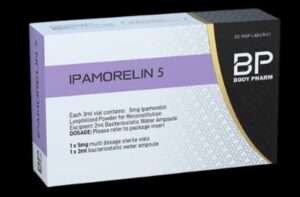
BP Ipamorelin 5 mg, is a synthetic peptide known for its potential therapeutic benefits in promoting the release of growth hormone.
Below, we explore the advantages, potential side effects, detailed dosage instructions, and half-life associated with Ipamorelin.
Benefits of Ipamorelin (5mg):
Growth Hormone Release: Ipamorelin ? specifically designed to stimulate the release of growth hormone (GH) from the pituitary gland. This can lead to several potential benefits, including:
Muscle Growth: Increased GH levels may promote muscle growth and hypertrophy, making it a popular choice among athletes and bodybuilders.
Fat Metabolism: Ipamorelin may aid in fat loss by enhancing the body’s ability to metabolize fat for energy.
Recovery: Users have reported accelerated recovery from intense physical activities or workouts, potentially reducing the risk of overtraining.
Improved Sleep: Some individuals experience better sleep quality with Ipamorelin use.
Dosage Instructions:
Dosage instructions for Ipamorelin 5 mg can vary based on individual goals and healthcare provider recommendations. Typically, people administer it through subcutaneous injections. Here are general guidelines:
Dosage: Common dosages range from 100 to 300 micrograms (?g) per injection.
Injection Frequency: Often injected 1-3 times a day to maintain elevated GH levels. Some users prefer to administer injections before or after workouts.
Duration of Use: Cycles of Ipamorelin use can vary but are often several weeks to months in duration.
It is crucial to consult with a qualified healthcare provider for precise dosage instructions tailored to individual health needs and goals.
Side Effects:
Ipamorelin is generally considered safe and well-tolerated. However, as with any substance, it may have potential side effects, although these are typically mild and infrequent. Potential side effects may include:
Injection Site Reactions: Mild irritation, redness, or swelling at the injection site can occur.
Hunger: Users often report an increase in appetite, sometimes referred to as ?ghrelin surge,? after using Ipamorelin. This effect can be managed through dietary choices.
Headache: Some individuals may experience mild headaches, although these are infrequent.
It’s essential to note that side effects can vary among individuals, and severe adverse effects are rare.
Half-Life:
Ipamorelin 5 has a relatively short half-life, estimated to be approximately 2 hours. This means that the body rapidly clears it after administration. To maintain stable levels of the peptide in the bloodstream, you will need multiple daily injections to maintain consistent GH elevation throughout the day.
In summary, Ipamorelin (5mg) is a synthetic peptide with potential benefits in promoting growth hormone release, muscle growth, fat metabolism, recovery, and sleep improvement. Generally considered safe, with mild and infrequent side effects. Proper dosage instructions and consultation with a healthcare provider are essential for individuals considering Ipamorelin as part of their regimen.

Key Benefits of Tesamorelin:
Reduced Visceral Fat: Clinical trials have shown significant reductions in deep abdominal fat (about 13-15% reduction).
Improved Body Composition: It helps reduce abdominal fat while helping to maintain or improve lean muscle mass.
Reduced Liver Fat: Studies indicate it reduces liver fat content, offering potential benefits for nonalcoholic fatty liver disease (NAFLD).
Improved Lipid Profiles: It has been linked to improved cardiovascular health metrics, including reduced triglycerides and improved cholesterol levels.
Potential Anti-aging/Wellness Effects: Some users experience enhanced energy levels and improved sleep quality due to improved growth hormone production.
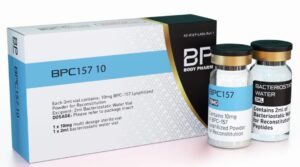
BP BPC157 10MG VIAL – R 900
BPC-157 (10mg) is a synthetic peptide known as a “body protecting compound,” primarily used to accelerate healing of connective tissues, tendons, ligaments, and the gut lining. It reduces inflammation, promotes angiogenesis (new blood vessel formation) for improved nutrient delivery, and supports muscle recovery.
Key Potential Benefits
Rapid Tissue Healing: Speeds up recovery from injuries, including muscle tear, tendonitis, and ligament damage, through increased collagen synthesis.
Gut Health and Repair: Shows promise in managing inflammatory bowel diseases (IBD) and healing the gut lining.
Reduced Inflammation and Pain: Acts as an anti-inflammatory to alleviate joint pain and swelling.
Neuroprotective Effects: Research suggests potential benefits for nerve damage and protection.
Anti-Atrophy: Helps prevent muscle wasting, especially after injury or in chronic conditions